wealth tax
-
On islands of care.
Good policies can be undermined by uncooperative neighbors.
aggregation of people in need, Bloomington, Bloomington Indiana, Bret Stephens, concentration of people in need, cooperation, Drug Addiction Treatment and Recovery Act, drug use, drugs, Eric Westervelt, global policy, housing policy, incarceration, Indiana, jail, local governance, local policy, mass incarceration, misuse of data, New York Times editorial, Oregon, War on Drugs, wealth tax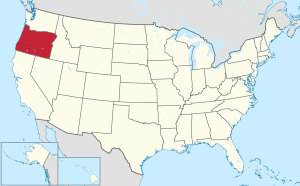
-
On sex work and demand.
We could end sex work by pushing back against demand … but we need to help women feel less demand for money, not criminalize men’s demand for sex.
anti-prostitution feminists, anti-prostitution movement, Ayurvedic massage, border patrol, border policing, brothel-keeping laws, colonial legacy, colonialism, criminal justice, criminalization, criminalized transactions, decriminalized prostitution, demand, dismissive library listing, economics of criminalized transactions, elastic versus inelastic demand, feminism, feminist theory, GBI, global capitalism, global wealth tax, guaranteed basic income, human migration, human rights, human trafficking, immigration, immigration control, immigration enforcement, immigration policy, injustice, judges, Juno Mac, legislating morality, library listing, massage, massage therapists, massage therapy, misogyny, Molly Smith, Nordic model, objectification, objectification of women, policing, policing women, prohibition, prosecutors, prostitution, racism, racist enforcement, racist policing, Revolting Prostitutes, selectively enforced laws, sex, sex work, sex workers, sex workers rights, sexuality, Sweden, trafficking, undocumented immigration, undocumented migrants, War on Drugs, wealth tax, work, workers rights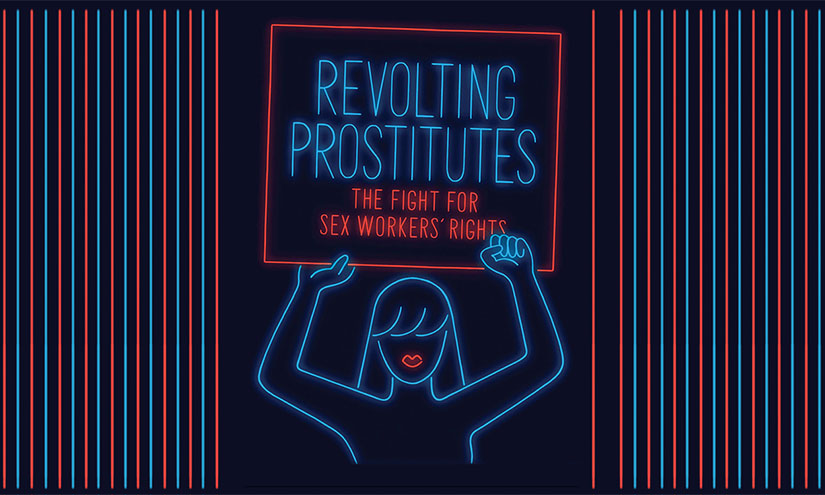
-
On taxing robots.
Automation is making the world worse, but the real problem is financial inequality, not robots.
a tax on wealth, automation, charity, cost of pollution, dishwashers, economic proposal, economic recovery, economic stimulus, Eduardo Porter, Eduardo Porter editorial, employer cartel, end of Great Depression, inequality, intentional inefficiency, low salary, low unemployment, negative externalities, New York Times editorial, parenting, politics, recession, robot tax, robotics, robots, robots taking jobs, shared costs, small town recovery plan, stagnant wages, tax wealth, taxing automation, taxing robots, the economics of automation, the politics of automation, tragedy of the commons, unemployment, wealth begets wealth, wealth tax, welfare, which jobs can be replaced by machines, why aren’t wages rising, work requirements, World War II
-
On a guaranteed basic income.
No one among us created the world.
computers, consciousness, correspondence collaboration, creditworthiness, criticizing social studies of finance with Lazzarato, Digital subjectivation and financial markets, exhaustion, free will, guaranteed basic income, gut bugs, hireability, human augmentation, implicit violence, intestinal fauna, market design, microbiome, narrative explanation, neurological consequences of tools, neurology, no cloning theorem, philosophy, physics, prostitutes, quantum mechanics, sex work, stock market, testosterone, the human drive for storytelling, the perception of freedom might well be good enough, Tim Christiaens, tool use, toxoplasma, uncertainty principle, wealth tax, welfare, working parents
-
On Robert Gordon’s ‘The Rise and Fall of American Growth.’
What if technological innovations are a cause of, not a solution to, our post-1970s economic morass?
Amazon, artificial intelligence, automation, CAFO, clean water, concentration of wealth, delivery drones, distribution of wealth, driverless cars, economics, electric appliances, factory farming, feminism, future technologies, GDP, GDP is not an effective measure of quality of life, GDP undercounts the value of caregiving, guaranteed basic income, Impossible Foods, increasing gains to capital, invention, labor versus capital, negative tax, no one’s choices should be curtailed because of gender, parenting, Pat Brown, pessimism, poverty causes stress, productivity, quality of life, reparations, Rise and Fall of American Growth, Robert Gordon, robotics, slow growth, social breakdown, Steven Rattner, technological progress, the value of a stay-at-home parent, wealth tax, William D. Nordhaus, women’s work has been historically undervalued
-
On sex work, reparations, a global wealth tax, and the connection between the three.
Many people are upset that Amnesty International finally came out in favor of decriminalizing sex work. Not me. I think decriminalizing sex work is a step in the right direction. Sex workers’ lives are often miserable. Their underground status denies them police protection; instead, they are often actively abused by the police. The philosophical rationale for…
a good idea in theory, abuse of power, Amnesty International, amphetamines, arguments against legalizing drugs, Ayn Rand, Behind every great fortune there is a crime, black market heroin is unsafe, childhood nutrition, communism, cotton, creepy parallel between gene duplication and oppression, decriminalization, decriminalized prostitution, decriminalized sex work, economic reparations, empirical evidence, feminism, feminist, free school breakfasts, free school lunches, global wealth tax, guaranteed income, heroin, heroin overdoses, history of United States, how did the United States become a superpower, how high would the wealth tax need to be to guanantee everyone a subsistence income, how much money do people need to live, human dignity, human rights trading cards, immigration, immigration laws, income inequality, inequality, justice, land entitlement, legalized prostitution, legalized sex work, link between current wealth and slavery, Lydia Cacho, misogynistic culture, misogynists, misogyny, original sin, police abuse, poverty, Poverty Impedes Cognitive Function, price and demand, price equilibrium, prostitution, quality control, racist home loans, racist lending policy, reparations, school funding, selling organs, sex slavery, sex work, slavery, Slavery Inc, supply and demand, Ta-Nehisi Coates, The Case for Reparations, United States, violence in Mexico, War on Drugs, War on Drugs harms Mexico, wealth begets wealth, wealth inequality, wealth tax, welfare, where did United States wealth come from, which laws are fair, which laws are just, who should receive reparations, why are drugs illegal
 Frank Brown Cloud