restorative justice
-
On vengeance and Ahmed Saadawi’s ‘Frankenstein in Baghdad.’
We all share blame for the ills perpetrated in our names, but some among us are made to suffer outsize portions of the costs.
Ahmed Saadawi, Albany, Arabic fiction, cocaine, cooperation, Correction, Correction (pt. ii), Correction part 2, corrections, evolution of cooperation, evolution of eusociality, forgiveness, forgiving, Frankenstein, Frankenstein in Baghdad, incarceration, injustice, Iraq, jail, jail poetry, Jonathan Wright, justice, Lori Milks, mass incarceration, most provable murder case I have ever seen, murder, murder victims, neurology, neuroscience, philosophy, poetry, poetry in jail, prison, public defender, punishment, rehabilitation, reprisal, restorative justice, retribution, Saadawi, teaching in jail, teaching poetry in jail, terrorism, the healing power of forgiveness, the neurology of justice, vengeance, victims of terrorism, violence, War on Drugs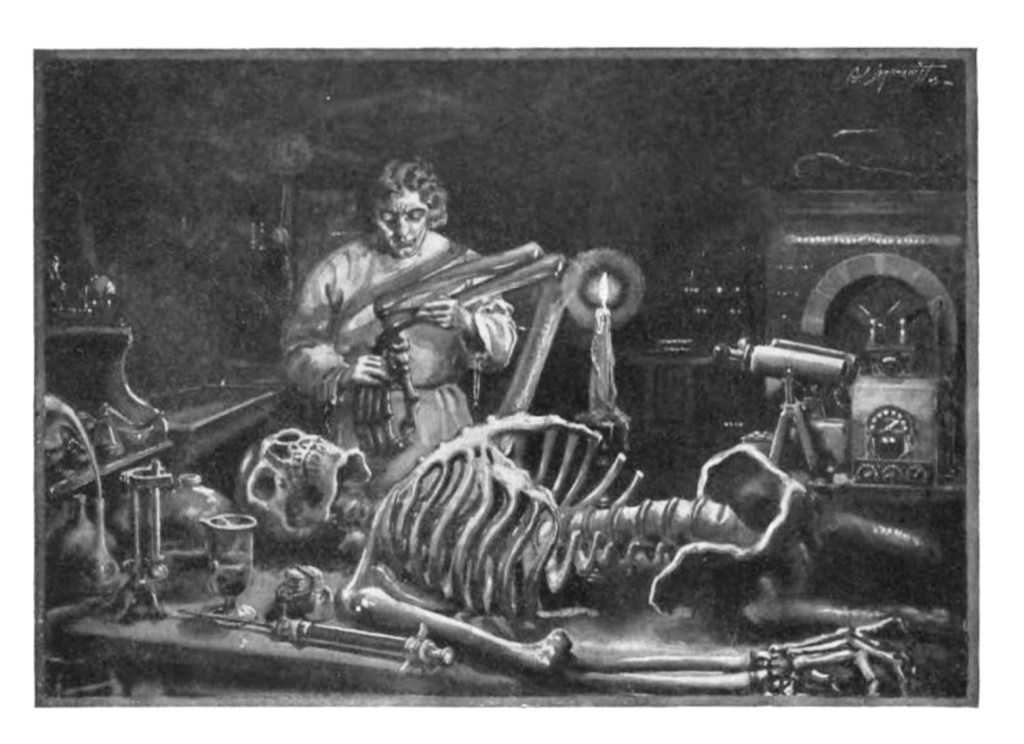
-
On storytelling and social justice.
By telling powerful stories with integrity, we might inspire people to help change the world.
activism, addiction, Bloomington, consciousness as storytelling, Dave Eggers, death in jail, emotions, emotions to compel action, framing your own story, Frans de Waal, free will, incarceration, Indiana, jail, jail poetry, Lindsey Badger, mass incarceration, Max Smith, Michelle Brekke, narrative consciousness, neuroscience of consciousness, neuroscience of free will, New Leaf, New Leaf New Life, overcoming trauma, poetry in jail, prison poetry, rationality, restorative justice, storytelling, storytelling and incarceration, teaching kids to be activists, The Bloomingtonian, The Dimension Mill, the neuroscience of storytelling, The Parade, trauma, writing and incarceration, writing and social justice, writing in prison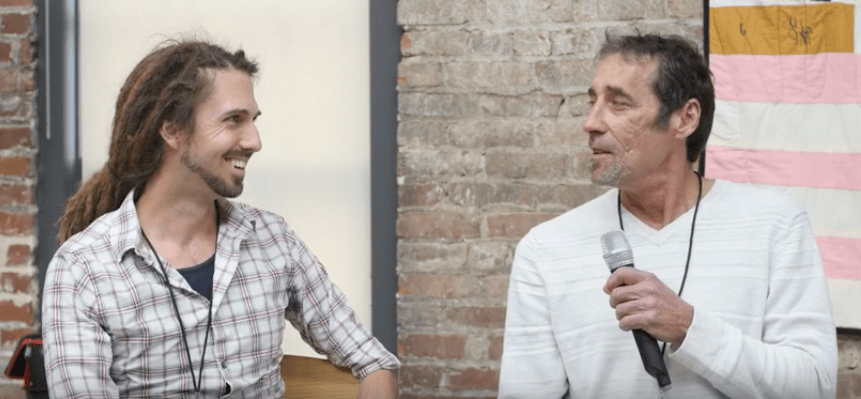
 Frank Brown Cloud