Ramayana
-
By learning to fight, we can make a more peaceful world.
By building confidence, we become better able to choose nonviolence, since we’ll be that much more likely to feel safe.
Abdelfattah Kilito, aggression in animals, ahimsa, baboons, Babylonian mythology, Bible, biology, black belt test, black best essay, broadcast song, caretaking, Daddy Wake Up, death gods, Determined, divine aggression, dominance, dominance hierarchy, Dr. Strangelove, elephant seals, game theory, Gilgamesh, God, history, incarceration, jail poetry, John von Neumann, Joshua Rathkamp, Karate, kihap, Kilito, Korean mythology, linguistics, martial arts, mythology, nonviolence, observational biology, Origin Myth of the House God, peace, Popol Vuh, psychology, Ramayana, religion, Robert Sapolsky, Single Father, soft song, sparrow territory, sparrows, Taekwondo, tamarins, teaching in jail, The Epic of Gilgamesh, The Tongue of Adam, Tower of Babel, Travis Combs, Vishnu, Whorf hypothesis, Xibalban, Yahweh, YHWH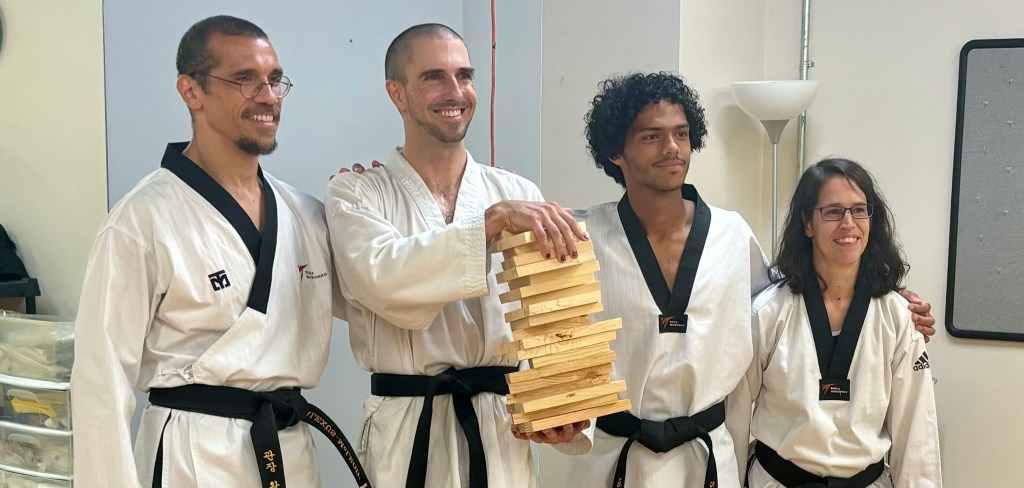
-
When your seven-year-old notices that some heroes are the pits.
Even when a character is clearly intended to be heroic by the author, you won’t always agree.

-
On memory (part three): getting rid of memories.
This is third in a series. See parts one and two. Not all memories are good, obviously. I’ve done plenty of stupid things, blurted out plenty of awkward remarks in conversations, that I’d prefer to forget. And those are harmless. They might make me flush and feel retroactively embarrassed if I think of them at night,…
Blueberry, cognitive behavioral therapy, Do No Harm, Henry Marsh, Jan Kounen, memory, memory erasure, memory replacement, PKM zeta, post-traumatic brain disorder, psychedelics in psychiatry, PTSD, Ramayana, Renegade, speculative science, thought substitution, treating mental illness with psychedelics
 Frank Brown Cloud