prostitution
-
On sex work and demand.
We could end sex work by pushing back against demand … but we need to help women feel less demand for money, not criminalize men’s demand for sex.
anti-prostitution feminists, anti-prostitution movement, Ayurvedic massage, border patrol, border policing, brothel-keeping laws, colonial legacy, colonialism, criminal justice, criminalization, criminalized transactions, decriminalized prostitution, demand, dismissive library listing, economics of criminalized transactions, elastic versus inelastic demand, feminism, feminist theory, GBI, global capitalism, global wealth tax, guaranteed basic income, human migration, human rights, human trafficking, immigration, immigration control, immigration enforcement, immigration policy, injustice, judges, Juno Mac, legislating morality, library listing, massage, massage therapists, massage therapy, misogyny, Molly Smith, Nordic model, objectification, objectification of women, policing, policing women, prohibition, prosecutors, prostitution, racism, racist enforcement, racist policing, Revolting Prostitutes, selectively enforced laws, sex, sex work, sex workers, sex workers rights, sexuality, Sweden, trafficking, undocumented immigration, undocumented migrants, War on Drugs, wealth tax, work, workers rights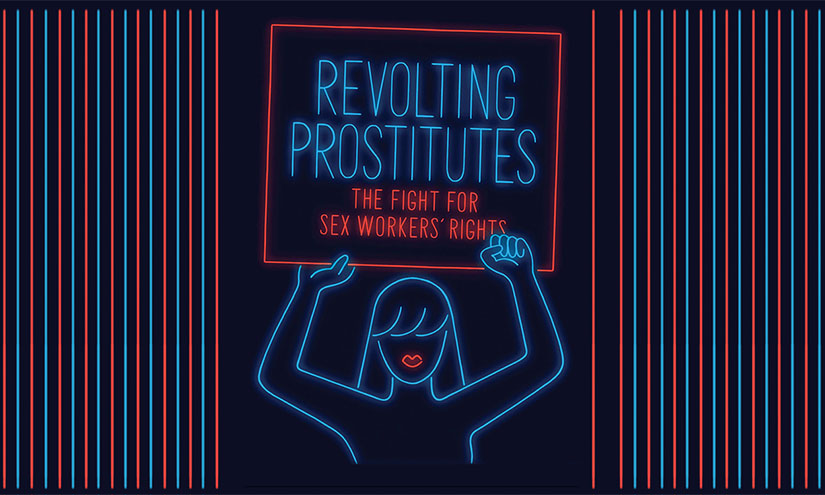
-
On sex work, reparations, a global wealth tax, and the connection between the three.
Many people are upset that Amnesty International finally came out in favor of decriminalizing sex work. Not me. I think decriminalizing sex work is a step in the right direction. Sex workers’ lives are often miserable. Their underground status denies them police protection; instead, they are often actively abused by the police. The philosophical rationale for…
a good idea in theory, abuse of power, Amnesty International, amphetamines, arguments against legalizing drugs, Ayn Rand, Behind every great fortune there is a crime, black market heroin is unsafe, childhood nutrition, communism, cotton, creepy parallel between gene duplication and oppression, decriminalization, decriminalized prostitution, decriminalized sex work, economic reparations, empirical evidence, feminism, feminist, free school breakfasts, free school lunches, global wealth tax, guaranteed income, heroin, heroin overdoses, history of United States, how did the United States become a superpower, how high would the wealth tax need to be to guanantee everyone a subsistence income, how much money do people need to live, human dignity, human rights trading cards, immigration, immigration laws, income inequality, inequality, justice, land entitlement, legalized prostitution, legalized sex work, link between current wealth and slavery, Lydia Cacho, misogynistic culture, misogynists, misogyny, original sin, police abuse, poverty, Poverty Impedes Cognitive Function, price and demand, price equilibrium, prostitution, quality control, racist home loans, racist lending policy, reparations, school funding, selling organs, sex slavery, sex work, slavery, Slavery Inc, supply and demand, Ta-Nehisi Coates, The Case for Reparations, United States, violence in Mexico, War on Drugs, War on Drugs harms Mexico, wealth begets wealth, wealth inequality, wealth tax, welfare, where did United States wealth come from, which laws are fair, which laws are just, who should receive reparations, why are drugs illegal
 Frank Brown Cloud