perception
-
On love and history.
Of all my children’s toys, I imagine that the rainbow unicorn appears most unlovable. Its fur is tattered, some patches nearly bare and others clumped or crusty with goo. Its horn is a broken nub flaking bits of plastic. The eyes are scratched. The wings are pocked. The once-bright colors have faded. This unicorn is…

-
On human babies and adult octopuses.
For a short time, as infants, we felt the world as octopuses do.
animal minds, babies, baby, baby cognition, baby perception, bat, bats, cephalopod, childhood, Christina MacSweeney, cognition, consciousness, decentralized minds, distributed minds, Gluck, how do babies experience the world, how do babies see the world, human babies, infant, infant cognition, infant experience, infant mind, infant perception, infants, Jazmina Barrera, Katie Schmid, Leslie Jamison, Linea Nigra, Louise Gluck, Marigold and Rose, medieval art, Megan O'Rouke, mental perception, mind, perception, The Bear's Kiss, The Boatman, the experience of babies, the lives of babies, the lives of infants, Thomas Nagel, What Is It Like to Be a Bat?
-
On cicadas and perception.
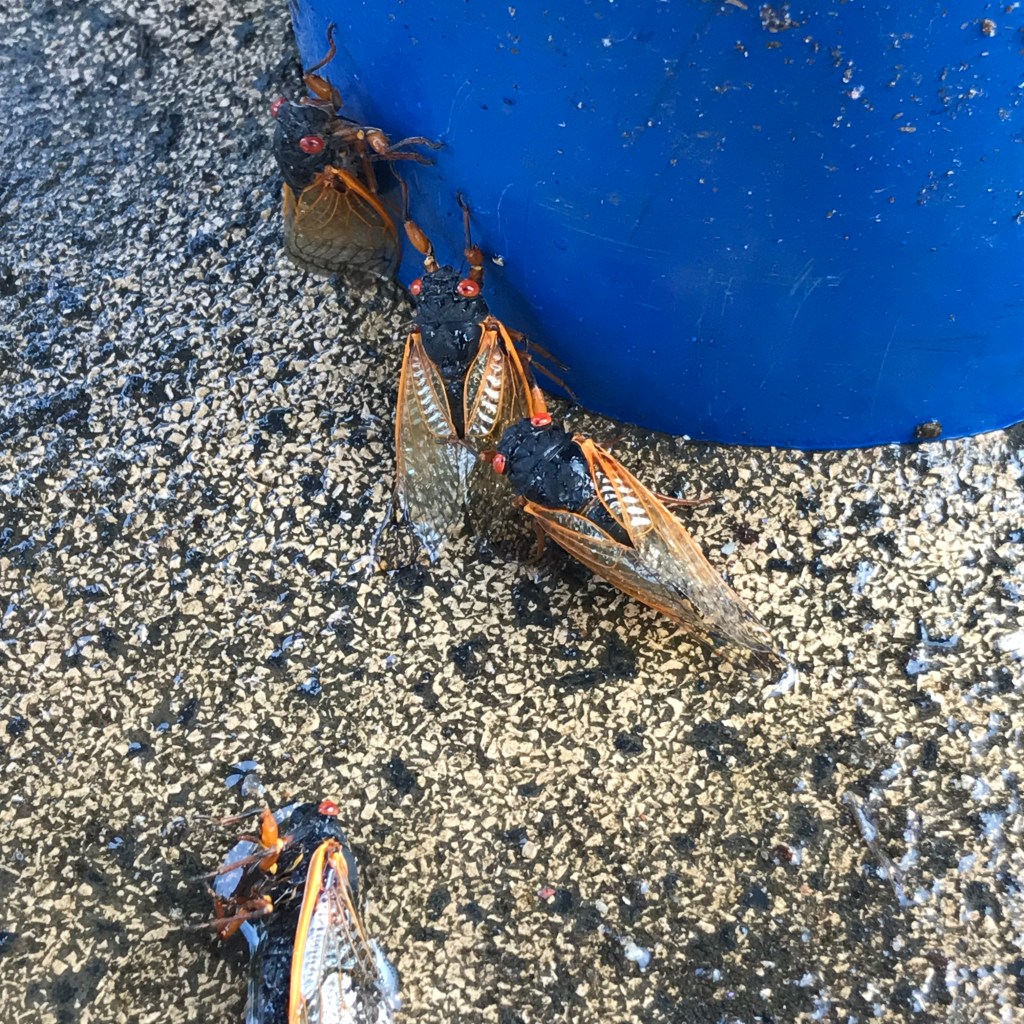
Here on the ground, we rarely saw the cicadas who were off living their best cicada lives.
-
On perspective and Zoom.
It’s easy for our experience of the world to blind us to others’ realities. Over Zoom, you see less suffering.
coronavirus, coronavirus pandemic, Covid, covid pandemic, Covid-19, David Linden, Dr. Milks, e-learning, high school, high school teaching, illusion, inequality, jail poetry, jail poetry class, Kirstin Milks, lecture, lecture based instruction, lecture-based learning, lecturing, mint, mint taste, online education, online learning, online school, Pandemic, pandemic response, perception, screen school, sweetness, teaching during a pandemic, teaching during the pandemic, teaching in a pandemic, teaching in county jail, teaching in jail, teaching poetry, teaching poetry in jail, Unique, Viet Thanh Nguyen, Zoom, Zoom class, Zoom education, Zoom high school, Zoom lectures, Zoom teaching
-
On Tara Westover’s “Educated.”
How can you learn to trust in a world where your beloved family member’s visage might conceal a monster?
alternate histories, alternate history, apocalypse prepping, behavioral change, Charles Reznikoff, cocaine, coke, cultural knowledge, drugs, Educated, eels, endangered eels, etymology, gaslighting, government aid, Hillbilly Elegy, history, Holocaust, Hulk smash, J.D. Vance, jail poetry, Jekyll and Hyde, memory, paranoia, perception, poetry class, poverty, preppers, prison poetry, SNAP, storytelling, Tara Westover, teaching poetry, teaching poetry in jail, The Hulk, the mutability of memory, traumatic brain injury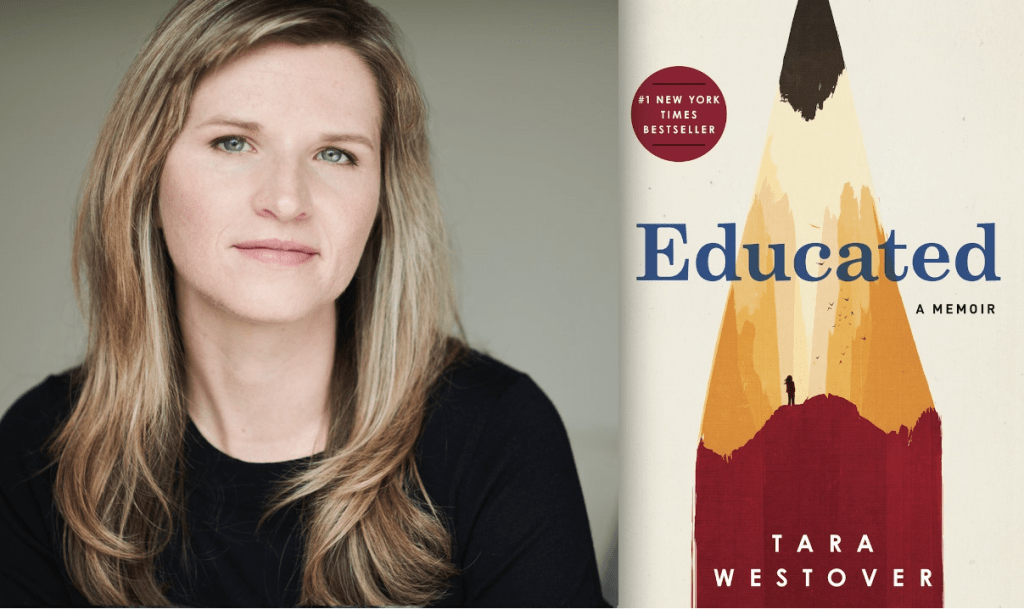
-
On perception and learning.
We adults can’t fix the world until we learn from children that it’s okay to be wrong.
analytical philosophy, animal cognition, automated image analysis, Brendan Wenzel, Bring me a slab, childhood development, children’s books, chimpanzee learning, computer learning to find cats, computer science, data clustering, David Lancy, falsifiable theories, Google, human development, identification, language acquisition, learning, Liu Cixin, Ludwig Wittgenstein, mental filters, neural networks, New York Times, parenting, perception, personhood, Philosophical Investigations, principal component analysis, Quoc Le, science, scientific method, Slab!, Stanford, teaching, The Anthropology of Childhood, The Three-Body Problem, They All Saw a Cat, unsupervised learning, Upshot, what is a cat, what is red, Youtube cat videos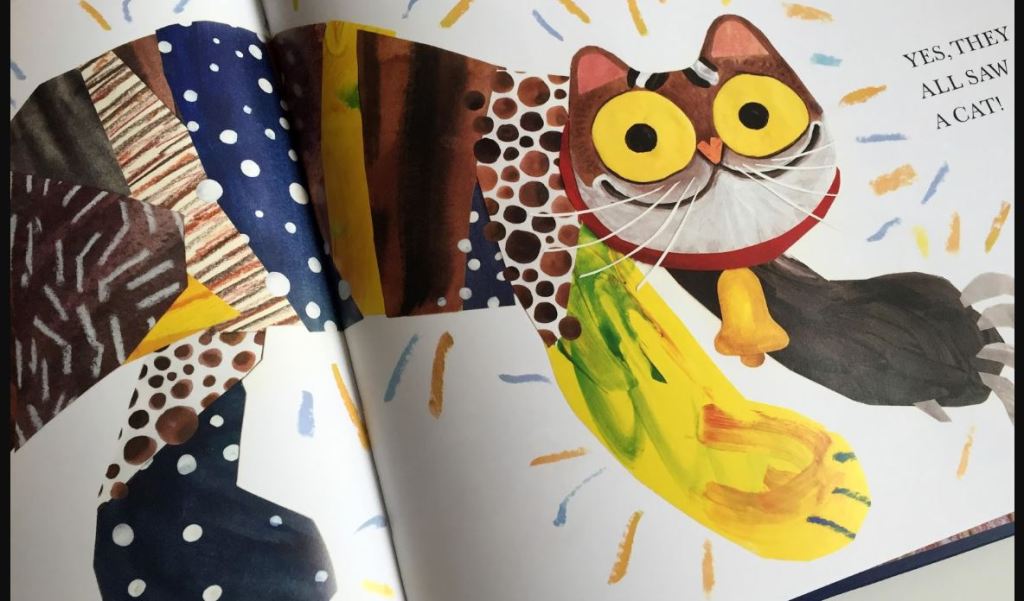
-
On attempts to see the world through other eyes.
Recoloring an image is cool … but is it enough to imagine how other animals view a certain scene?
A Different Form of Color Vision in Mantis Shrimp, animal cognition, animal vision, animal vision tool, attention, brain plasticity, color vision, colorblind glasses, cone cells, crotalomorphism, dichromat, distinguishing between similar colors, eyes, facial recognition, frequency shifting, fusiform gyrus, gene therapy, glasses to let colorblind people see color, human facial recognition, image processing, mantis shrimp, mantis shrimp research, mantis shrimp vision, neurological processing, New York Times, peacock vision, perception, photoreceptors, retrovirus, species, starling vision, summer of science, tetrachromat, Thoen study, trichromat, vision, visual spectrum, what do bees see, what do dogs see, what does the world look like to other animals, what does the world look like to other creatures
 Frank Brown Cloud