Patient H.M.
-
On power and species.
In comics, the people who believe their power gives them the right to dominate others are villains. And yet, consider the way we treat the other animals who share our planet …
All-Star Superman, animal PTSD, animal welfare, comics, DC comics, do animals feel trauma, do animals get PTSD, dominion, ethics, Grant Morrison, Harry Harlow, HIV vaccine, HIV vaccine research, how we treat other animals, hurricane, Hurricane Maria, John-Michael Bloomquist, lab animals, laboratory animals, Luke Dittrich, macaque, macaque colony, macaque PTSD, macaques, Miss Able, monkey colony, monkey PTSD, Patient H.M., Pit of Despair, poetry, post traumatic stress disorder, power, primate research, psychological harm, psychological research, psychology, psychology research, PTSD, Puerto Rican macaque colony, Rape Rack, research animals, research colony, research ethics, research macaques, research monkeys, scientific ethics, St. Francis Visits the Research Macaques of Modern Science, Superheroes, Superman, Superman versus The Hulk, Supervillains, The Hulk, trauma, vegan, vegan comic books, vegan comics, vegan superhero, vegan superheroes, veganism, vegetarian, vegetarian comic books, vegetarian comics, vegetarian superhero, vegetarian superheroes, Villains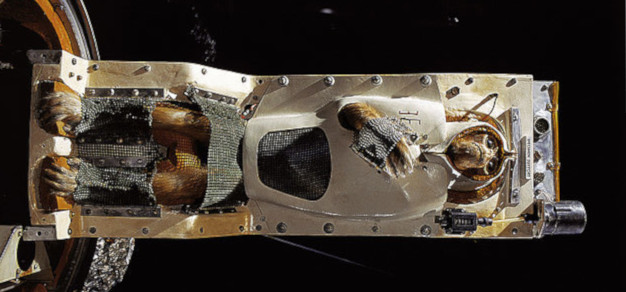
-
On ethics and Luke Dittrich’s “Patient H.M.”
When scientists act unethically, it undermines trust in science … which breaks my heart, since the scientific method is awesome.
A Story of Memory Madness and Family Secrets, Arieh Warshel, biochemistry, brain surgery, cell biology, data, enzymology, epilepsy, ethics, fraud, GCC185, graduate school, human experimentation, immunofluorescence, ketosteroid isomerase, KSI, lobotomy, Luke Dittrich, medial temporal lobe, membrane trafficking, memory, MIT, MPR, Patient H.M., primary data, psychosurgery, publish or perish, reproducibility crisis, research, research ethics, RhoBTB3, science, scientific method, shredding files, Stanford, Suzanne Corkin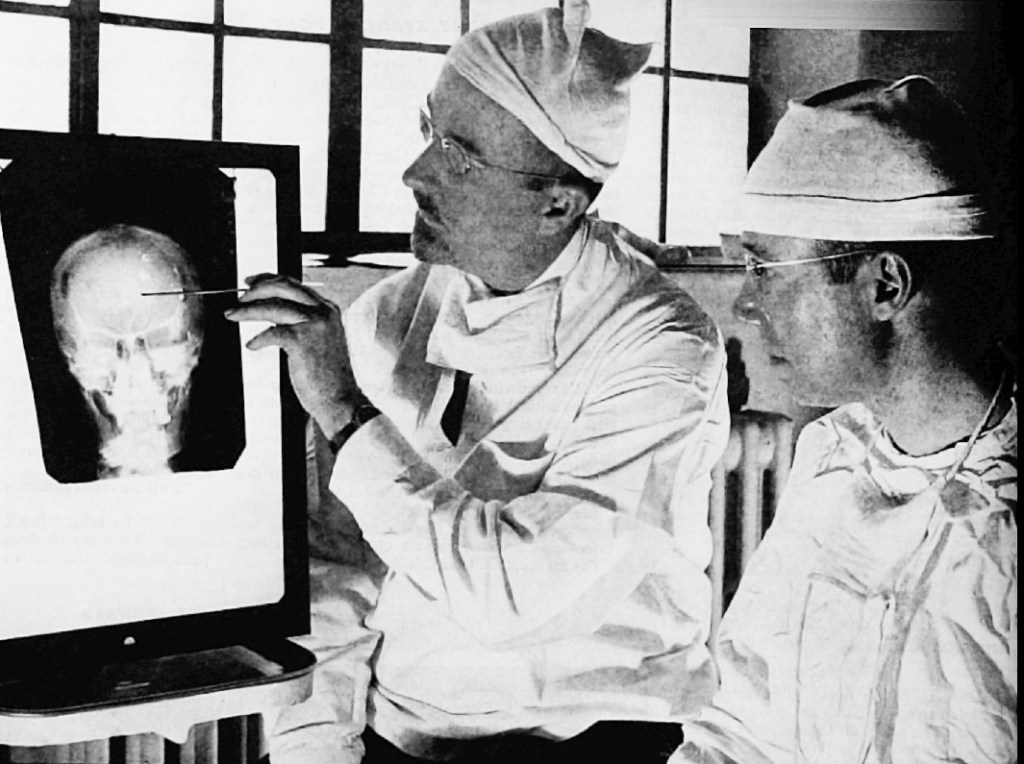
 Frank Brown Cloud