nonviolence
-
By learning to fight, we can make a more peaceful world.
By building confidence, we become better able to choose nonviolence, since we’ll be that much more likely to feel safe.
Abdelfattah Kilito, aggression in animals, ahimsa, baboons, Babylonian mythology, Bible, biology, black belt test, black best essay, broadcast song, caretaking, Daddy Wake Up, death gods, Determined, divine aggression, dominance, dominance hierarchy, Dr. Strangelove, elephant seals, game theory, Gilgamesh, God, history, incarceration, jail poetry, John von Neumann, Joshua Rathkamp, Karate, kihap, Kilito, Korean mythology, linguistics, martial arts, mythology, nonviolence, observational biology, Origin Myth of the House God, peace, Popol Vuh, psychology, Ramayana, religion, Robert Sapolsky, Single Father, soft song, sparrow territory, sparrows, Taekwondo, tamarins, teaching in jail, The Epic of Gilgamesh, The Tongue of Adam, Tower of Babel, Travis Combs, Vishnu, Whorf hypothesis, Xibalban, Yahweh, YHWH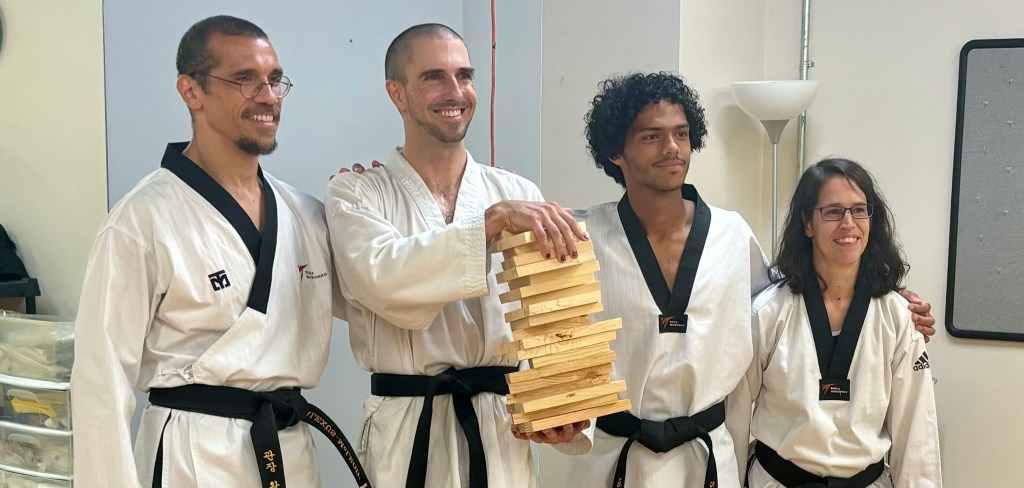
-
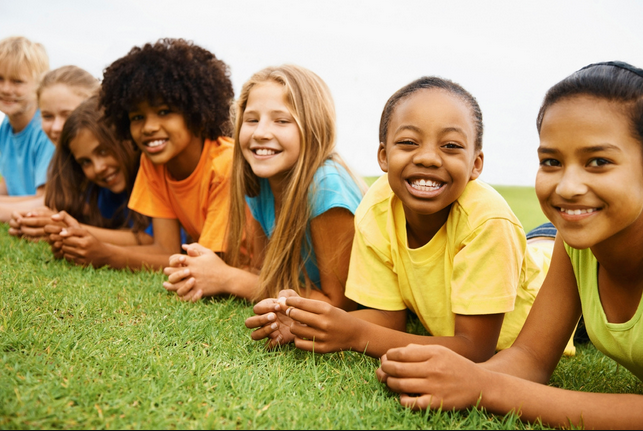
On non-violence (part 2): empowering kids to act for equality.
Even second-graders can make consumer choices that contribute less toward climate destabilization.
-
On depictions of (non)violence for the cause of justice.
Graphic novelist Nate Powell, alongside his March co-authors John Lewis & Andrew Aydin, will be speaking in Bloomington next month. I’m excited about the talk. I first learned about Powell’s work by reading The Silence of Our Friends about the civil rights movement in Texas. That book was especially meaningful for me because I’m generally non-confrontational, preferring…
Andrew Aydin, armed rebellion, Between the World and Me, Charles Deslondes, civil rights movement, graphic novels, human violence, John Lewis, March, March book one, March graphic novel, Nat Turner, Nate Powell, nonviolence, protest, racism, racist high school history curriculum, Ta-Nehisi Coates, The Silence of Our Friends, violent rebellion against slavery, when is violence justified
 Frank Brown Cloud