non-human animal cognition
-
On the apparent rarity of human-like intelligence.
When we look around, we see such a small sliver of our planet’s total life.
ancient world, animal cognition, animal intelligence, archaeological evidence, archaeology, bird brains, birds, brain, brain construction, cognition, deep time, dinosaur, evolution, evolution of intelligence, evolutionary time, fossil evidence, fossils, human extinction, intelligence, lifespan of the sun, neuron counts, neuron numbers, non-human animal cognition, Oded Galor, rocks, stone age, stone tools, Suzana Herculano-Houzel, t-rex, The Journey of Humanity, The Origins of Wealth and Inequality, time as a twenty-four hour day, Tyrannosaurus rex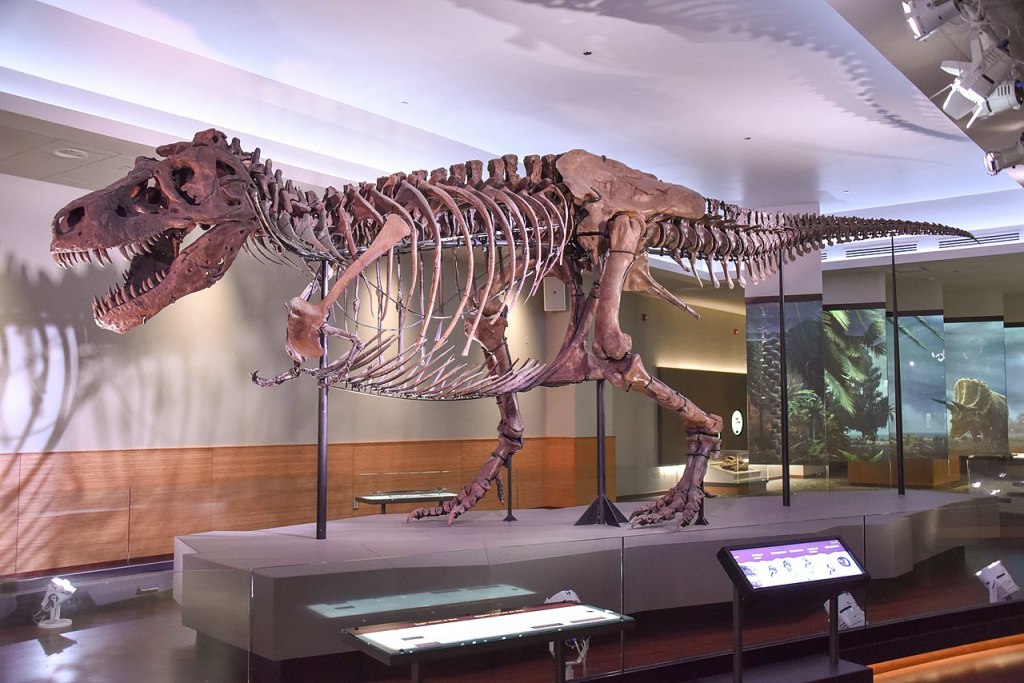
-
On empathy and the color red.
We can care about others’ lives even if we’re not entirely certain how those lives feel.
AI, Ai poet, Americanah, animal cognition, animal consciousness, animal perception, anti-racist, bat, bat perception, bats, bee vision, Being a Beast, building empathy, Charles Foster, Chimamanda Ngozi Adichie, cognition, color perception, color red, color vision, dismantling racism, empathy, evolution of vision, frog vision, imagination, infrared vision, IR vision, literature, Nagel, non-human animal cognition, persona poem, persona poetry, philosophy, poet Ai, Racial oppression, racism, red, Robert Jackson Bennett, Shorefall, theory of mind, Thomas Nagel, ultraviolet vision, UV vision, vision, What Is It Like to Be a Bat?, what red means, why we see color, why we see red
-
On octopus art.
We humans make art for humans, but octopuses might make art for others.
Andy Warhol, animal art, animal cognition, animal theory of mind, art, art criticism, art theory, audience, Baphomet, board games, do animals make art, elephant art, elephant painting, emotional intelligence, empathy, evolution of brains, evolution of cognition, evolution of intelligence, free will, function of art, gossip, how does consciousness work, narrative explanation, non-human animal cognition, non-human animals, octopus art, octopus brains, octopus literature, octopus theory of mind, poetry, purpose of art, Satan, The Optic Wraith, The Sri Lankan Loxodrome, theory of mind, timing of consciousness, what counts as art, what is art, what qualifies as art, why do we make art, why is art beautiful, Will Alexander
-
On Ann Leckie’s ‘The Raven Tower.’
You should read Ann Leckie’s ‘The Raven Tower,’ a beautiful novel set in a fascinating world.
A Century of Denial in Medicine, animal cognition, animal communication, animal language, animal welfare, Ann Leckie, Aristotle, babies, Babies Don’t Feel Pain, battle of the gods, biology, children, circumcision, compliments, confirmation bias, David Chamberlain, difference between gender and biological sex, do fish feel pain, elective surgery, fantasy novels, fish, fish pain, flawed assumptions, Frans de Waal, gender, genital mutilation, gods battling, human infants, hurting infants, hurting newborns, infant, Irad Kimhi, language, Mama’s Last Hug, mathematics, non-human animal cognition, non-human language, objectification, objectification of non-human animals, observational biology, philosophical argumentation, philosophy, prayer, primacy of language use, progressive fantasy, quantum computing, scientific ignorance, set theory, superposition of states, the emotions of babies, The Raven Tower, Thinking and Being, translating mathematics into words, vaccination, world building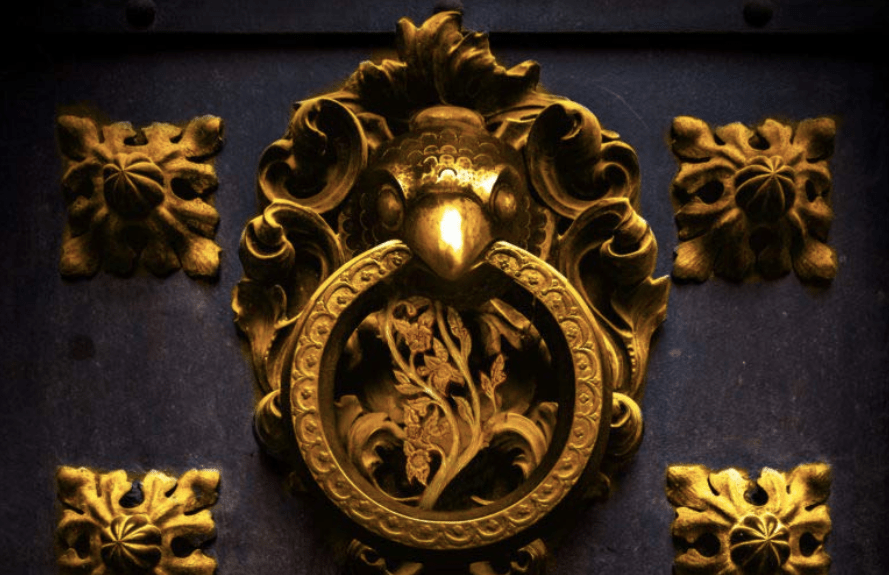
 Frank Brown Cloud