learning
-
On consent (again).
To feel free to fully find ourselves, we all need to be respected as autonomous individuals.
adrienne maree brown, affirmative consent, ask first, assault, autonomy, communication, communication during sex, consent, consent culture, consent is mandatory, Consent is sexy, dishonesty, empathy, feminism, feminist, filter bubble, filter bubbles, honesty, Is That Still Consent?, Jenny Kleeman, Katherine Angel, learning, lying, maybe, Melissa Febos, miscommunication, physiological response to pornography, Pleasure Activism, psychological harm, rape, respect, Roseanna Sommers, seduction, self-discovery, self-knowledge, sex, sex research, Sex Robots and Vegan Meat, sexual assault, sexual norms, sexuality, technology, tentative, the joy of learning, tomorrow sex will be good again, unwanted touch, what's wrong with the phrase consent is sexy, women's response to pornography, You Were Duped Into Saying Yes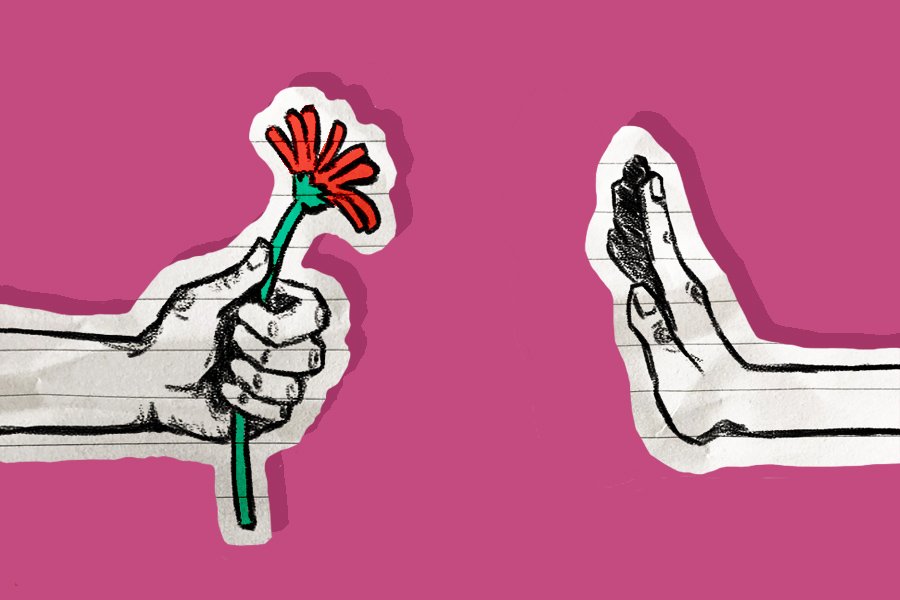
-
On the evolution of skin color.
Over thousands of years, our ancestors evolved. Epidermal melanin protects us from the sun. Seems reasonable. But contemporary racism throws a wrench in the discussion.
African ancestry, ancestry, Asatru, biology of human evolution, books to prisoners, brain evolution, chance in evolution, chance in human evolution, Denisovan, Denisovans, diet in human evolution, domestication, edda, epidermal melanin, evolution, evolution of agriculture, evolution of brain size, evolution of epidermal melanin, evolution of great apes, evolution of human brain, evolution of human intelligence, evolution of intelligence, evolution of skin color, evolutionary advantage, evolutionary pressure, examples of evolution, explanation of human evolution, farming, folate hypothesis, history of human migration, history of human race, Homo sapiens, Homo sapiens evolution, how long does evolution take, Human ancestry, human body plan, human evolution, human migration, human race, human species, humanity, Icelandic, Icelandic mythology, Icelandic poetry, impact of agriculture on human evolution, incarceration, jail, latitude and skin color, learning, mass incarceration, melanin, Midwest Pages to Prisoners, Midwest Pages to Prisoners Project, migration, migration and evolution, mythology, Neanderthal, Neanderthals, neo-paganism, neopagan, neopaganism, neural plasticity, Norse mythology, Northern European ancestry, Northern European evolution, Odin, odinism, outdoor rec, paganism, Pages to Prisoners, pre-christian religion, prehistory of agriculture, prison, prison education, race, racial disparities in the criminal justice system, racial injustice, racism, racist police enforcement, racist policing, random factors in evolution, religion, skin color, skin color evolution, starfish evolution, stickleback evolution, sunlight, teaching evolution, The Edda, The Poetic Edda, The Prose Edda, UV damage, Viking myths, Viking religion, what does melanin do?, what does skin color do, white supremacists, white supremacy, why do people have different skin color, why skin color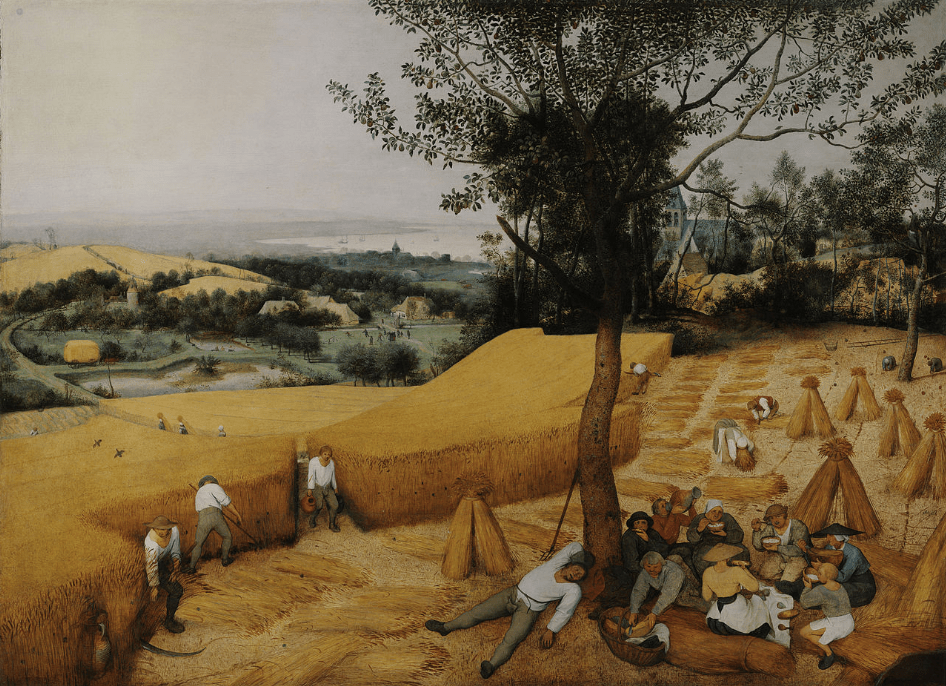
-
On power and dignity in defeat.
Winning is pretty easy. It takes effort to get there, but once we’ve done it, most people can act with grace. It reveals more about a person’s character to see how they handle defeat. In the Christian bible, Jesus is a more compelling character than Yahweh. Jesus faces adversity, which sometimes he accepts calmly –…
Americans love a winner, anti-racism, Aryan, Aryan supremacy, ban the box, books to prison, books to prisoners, Christianity, Deadpool, death of Thor, defeat, dignity in defeat, education, equality, equity, felony, George Patton, gods die, growth, heroes, incarceration, Independently Blue, inequality, inequity, jail, jail poetry, Jesus, Jesus losing his temper, Julien Poirier, Laughing Shall I Die, learning, loser, losing, mass incarceration, Midwest Pages to Prisoners, MWPP, mythology, myths, Norse, Norse myths, Odin, odinism, pagan, paganism, Pages to Prisoners, patriotism, personal growth, poetry, poetry in jail, poverty, prison, prison education, racism, racist, Ragnarok, redemption, Reginald Dwayne Betts, suffering, superheros, teaching in jail, Tom Shippey, trials, Viking myths, Vikings, white supremacy, winning, Yahweh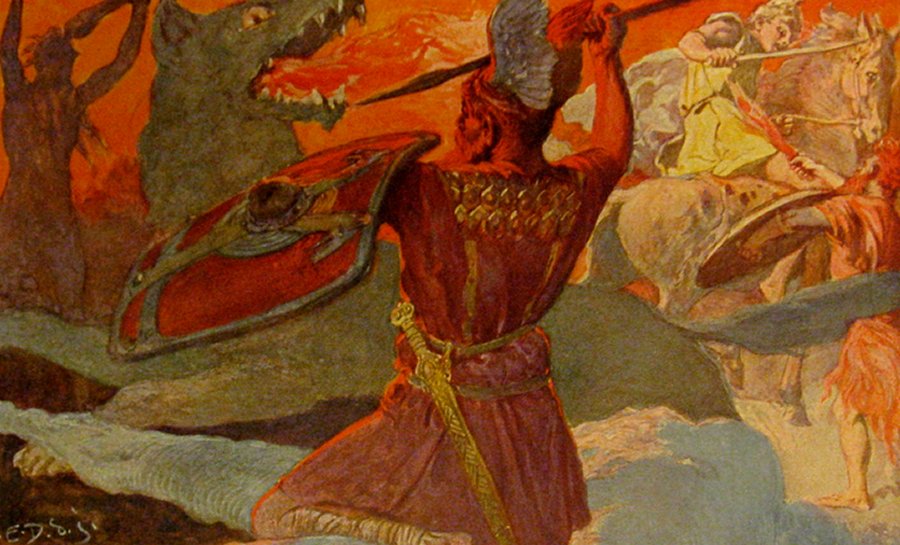
-
On Matthew Walker’s ‘Why We Sleep.’
We’re asking addicts to learn whole new ways of living … and expect them to do it while utterly sleep deprived in jail.
cocoffala, Communion of the Saints, enhanced interrogation, false confessions, heroin, incarceration, jail, jail poetry, learning, mass incarceration, Matthew Walker, Menachem Begin, methamphetamine, Monster House Press, opiates, Poems from the Jail Dorm, poetry, prison, prison poetry, probation, sleep, sleep deprivation, sleep deprived, sleep spindles, The Story of a Prisoner in Russia, torture, White Nights, why we sleep, William Booker
-
On perception and learning.
We adults can’t fix the world until we learn from children that it’s okay to be wrong.
analytical philosophy, animal cognition, automated image analysis, Brendan Wenzel, Bring me a slab, childhood development, children’s books, chimpanzee learning, computer learning to find cats, computer science, data clustering, David Lancy, falsifiable theories, Google, human development, identification, language acquisition, learning, Liu Cixin, Ludwig Wittgenstein, mental filters, neural networks, New York Times, parenting, perception, personhood, Philosophical Investigations, principal component analysis, Quoc Le, science, scientific method, Slab!, Stanford, teaching, The Anthropology of Childhood, The Three-Body Problem, They All Saw a Cat, unsupervised learning, Upshot, what is a cat, what is red, Youtube cat videos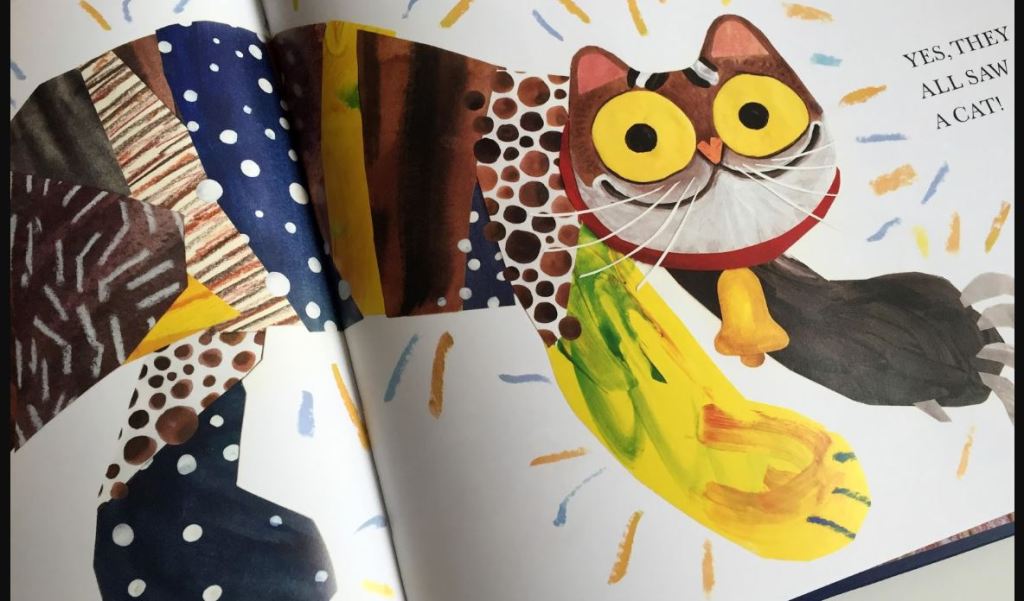
-
On psychedelic drugs as medicine.
Would a sudden jolt away from our minds’ ruts help treat depression? Or — complacency in general?
acid, acid trip, addict, addiction, autism, ayahuasca, CBT, CIA, clinical trials, cognitive behavioral therapy, David Foster Wallace, depressed, depression, DMT, drugs, ecstasy, entheogen, experiments on children, experiments on orphans, habit, In Search of Lost Time, Infinite Jest, Intoxication, involuntary experimentation, junkie, Lauretta Bender, learning, lost love, LSD, lysergic acid, Marcel Proust, MDMA, mescaline, MK Ultra, molly, mushrooms, neurology, organic synthesis, orphans, peyote, placebo, placebo effect, psilocin, psilocybin, psychedelic, Remembrance of Things Past, Ronald Siegel, Schedule I, shrooms, suicide, virtuous cycle, William Burroughs, you must change your life
 Frank Brown Cloud