heroin
-
On Matthew Walker’s ‘Why We Sleep.’
We’re asking addicts to learn whole new ways of living … and expect them to do it while utterly sleep deprived in jail.
cocoffala, Communion of the Saints, enhanced interrogation, false confessions, heroin, incarceration, jail, jail poetry, learning, mass incarceration, Matthew Walker, Menachem Begin, methamphetamine, Monster House Press, opiates, Poems from the Jail Dorm, poetry, prison, prison poetry, probation, sleep, sleep deprivation, sleep deprived, sleep spindles, The Story of a Prisoner in Russia, torture, White Nights, why we sleep, William Booker
-
On reading Natalie Diaz’s “How to Go to Dinner with a Brother on Drugs” with a room full of men in jail for drugs.
Natalie Diaz wrings beauty from an impossible situation — how much hurt can you bear, trying to help someone who can’t be saved?
addiction, amphetamines, crystal meth, drugs, heroin, How to Go to Dinner with a Brother on Drugs, jail, jail poetry, juvenile detention, meth, methamphetamine, Natalie Diaz, opiate epidemic, overdose, poem, poetry, prison, prison poetry, rehab, relapse, sobriety, street drugs, teaching in jail, War on Drugs, When My Brother Was an Aztec
-
On the Silk Road, Nick Bilton’s ‘American Kingpin,’ and the difference between being clever and being wise.
If someone is clever enough to build a billion-dollar website, should that person also get to decide who lives or dies?
addiction, American Kingpin, anarchist, anarchy, barter, clever, commissary, Dread Pirate Roberts, FBI, H, heroin, honey buns, intelligence, jail, jail bartering, jail economy, kinesthetic learners, libertarian, libertarianism, Nick Bilton, opiates, prison, property rights, Ross Ulbricht, spoons, The Silk Road, types of intelligence, Ulbricht, Variety Jones, violence, War on Drugs, wisdom, withdrawal
-
On Finn Murphy’s “The Long Haul” and our dying towns
U.S. economic inequality has caused much of the country to crumble … but the devastation won’t *stay* where it started.
A Trucker’s Tales of Life on the Road, addiction, ambulance fees, automation, Bloomington, capitalism, college town, drug addiction, drug use, drugs, Empire State, fentanyl, Finn Murphy, Flying J, free markets, government intervention, guaranteed basic income, heartless in the heartland, heroin, highways, homelessness, hospitalization, Indiana, inequality, Jason Shiga, marijuana, meth, meth labs, methamphetamine, opiates, overdose, poverty, property rights, public works program, Robert Reich, Saving Capitalism, seeing America, shooting up, spice, synthetic marijuana, The Long Haul, traveling by bus, unemployment, unhoused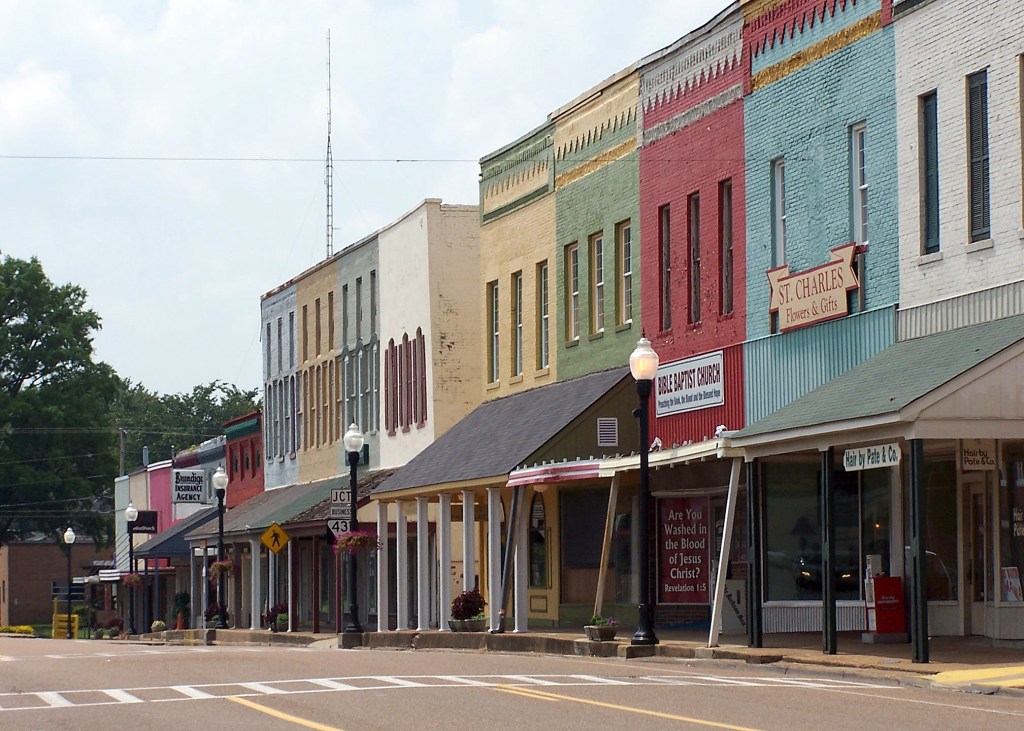
-
On changing a life.
We can’t be *forced* to change … & sometimes it takes a jolt to realize that we want to.
AA, addiction, Alcoholics Anonymous, Becoming Ms. Burton, Cari Lynn, drug use, drugs, getting sober, halfway houses, heroin, I Felt Your Presence in the Absence of Time, incarceration, jail, jail dormitory, John-Michael Bloomquist, junk, Max E., meth, methamphetamine, Monster House Press, New Leaf, New Leaf New Life, opiates, Poems from the Jail Dorm, poetry, prison poetry, recovery, rehab, release from prison, San Diego 1985, shame, sober, Susan Burton, teaching, teaching in jail
-
On fairness (and how we treat the utility monster).
How do you measure someone’s capacity for joy? And what does that say about our opiate epidemic?
animal welfare, Betham, competetive equilibrium, distribution of resources, distribution of wealth, economics, equality, evolution, fairness, heroin, heroin epidemic, human evolution, mass incarceration, Milton Friedman, moral philosophy, natural selection, negative externalities, opiate abuse, opiate epidemic, opportunity, Pareto optimal, Pareto optimality, political philosophy, survival of the fittest, tax policy, utilitarian, utilitarianism, utility monster, utility theory, War on Drugs
-
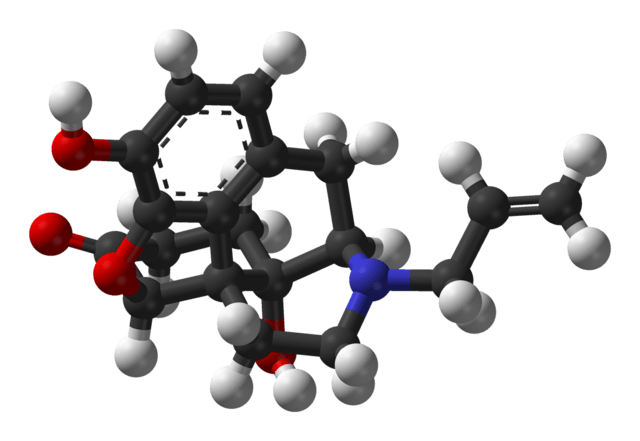
On pain.
Habitual drug use ruins lives. But the War on Drugs ends them.
-
On the shifting sands of family, specifically: whose counts?
*These* heroin users have families? How is that any different from the addicts who came before?
addiction, children, developmental biology, drug trade, drug users have families too, family, Francis Slay, Gangster Warlords, graduate school, heroin, incarceration crisis, Ioan Grillo, Lean In, life without law enforcement, mass incarceration, mouse lemur, opiates, painkillers, racism, rehab instead of prison, treatment instead of prison, unethical hiring practices, violence in St. Louis, War on Drugs, working mothers
-
On sex work, reparations, a global wealth tax, and the connection between the three.
Many people are upset that Amnesty International finally came out in favor of decriminalizing sex work. Not me. I think decriminalizing sex work is a step in the right direction. Sex workers’ lives are often miserable. Their underground status denies them police protection; instead, they are often actively abused by the police. The philosophical rationale for…
a good idea in theory, abuse of power, Amnesty International, amphetamines, arguments against legalizing drugs, Ayn Rand, Behind every great fortune there is a crime, black market heroin is unsafe, childhood nutrition, communism, cotton, creepy parallel between gene duplication and oppression, decriminalization, decriminalized prostitution, decriminalized sex work, economic reparations, empirical evidence, feminism, feminist, free school breakfasts, free school lunches, global wealth tax, guaranteed income, heroin, heroin overdoses, history of United States, how did the United States become a superpower, how high would the wealth tax need to be to guanantee everyone a subsistence income, how much money do people need to live, human dignity, human rights trading cards, immigration, immigration laws, income inequality, inequality, justice, land entitlement, legalized prostitution, legalized sex work, link between current wealth and slavery, Lydia Cacho, misogynistic culture, misogynists, misogyny, original sin, police abuse, poverty, Poverty Impedes Cognitive Function, price and demand, price equilibrium, prostitution, quality control, racist home loans, racist lending policy, reparations, school funding, selling organs, sex slavery, sex work, slavery, Slavery Inc, supply and demand, Ta-Nehisi Coates, The Case for Reparations, United States, violence in Mexico, War on Drugs, War on Drugs harms Mexico, wealth begets wealth, wealth inequality, wealth tax, welfare, where did United States wealth come from, which laws are fair, which laws are just, who should receive reparations, why are drugs illegal
 Frank Brown Cloud