graphic novels
-
On ‘The Ravanayan’ and women traveling alone.
It’s bad enough that our thousands-year-old myths feature women attacked for traveling alone … why are we still letting this happen today?
A. K. Ramanujan, comic books, comic review, comics, did Shoorpanakha deserve to be punished, did Shurpanakha deserve to be punished, fate, fear curtails liberty, female desire in the Ramayana, freedom to travel, gender violence, gendered violence, graphic novel, graphic novel review, graphic novels, Holy Cow, Holy Cow comics, Indian mythology, Mohanty and Goel, monkey battle, mythological violence, mythology, oppression, oppression of women, Rama, Ramanujan, Ramayana comic, Ramayana variants, rape culture, Ravana, Ravanayan review, retellings of the Ramayana, review of the Ravanayan, Sexism, sexual impropriety, Shoorpanakha, Shoorpanakha mutilated, Shurpanakha, Three Hundred Ramayanas, toxic masculinity, Vijayendra Mohanty, violence, violence against women as terrorism, violence against women in the Ramayana, violence against women to instill fear, Vivek Goel, why was Shoorpanakha attacked, why was Shurpanakha attacked, women traveling, women traveling alone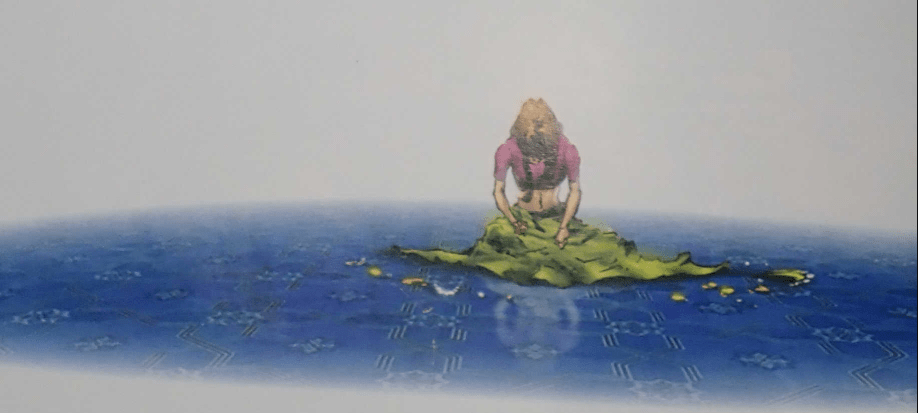
-
On depictions of (non)violence for the cause of justice.
Graphic novelist Nate Powell, alongside his March co-authors John Lewis & Andrew Aydin, will be speaking in Bloomington next month. I’m excited about the talk. I first learned about Powell’s work by reading The Silence of Our Friends about the civil rights movement in Texas. That book was especially meaningful for me because I’m generally non-confrontational, preferring…
Andrew Aydin, armed rebellion, Between the World and Me, Charles Deslondes, civil rights movement, graphic novels, human violence, John Lewis, March, March book one, March graphic novel, Nat Turner, Nate Powell, nonviolence, protest, racism, racist high school history curriculum, Ta-Nehisi Coates, The Silence of Our Friends, violent rebellion against slavery, when is violence justified
 Frank Brown Cloud