food
-
On the ethics of eating.
It took violence and oppression to create our world … which we can recognize without perpetuating.
autotroph, carbon cycle, carbon uptake, chaos machines, diet, energy, ethics, ethics of eating, ethics of veganism, evolution, evolution of intelligence, evolution of life, evolution of neurons, food, food web, gene duplication, gratitude, heterotroph, human diet, legacy of oppression, legacy of violence, life, moral philosophy, oppression, origin of intelligence, origin of neurons, philosophy, plant competition, plants, prehistory of intelligence, prehistory of violence, the cost for us to be here, thermodynamics of life, trees, utilitarian, utilitarianism, vegan, veganism, vegetarian, why we can think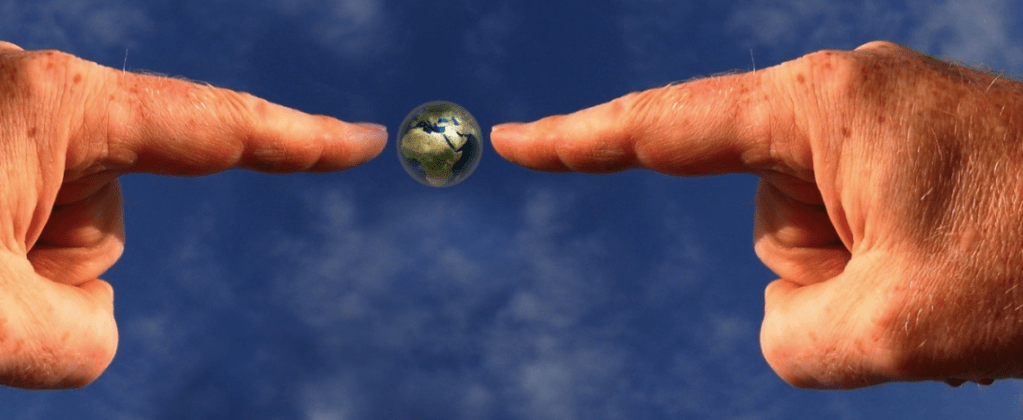
-
On food and willing sacrifice.
Perhaps nothing really wants to be eaten, but in our world, nothing can survive without sacrifice from its parts.
Agni, apoptosis, autotrophs, cancer, consumption, David Shulman, ejaculate, ejaculation, Fire, food, fruit, Ganges, Genesis, gestation, gift, gift economics, God, heterotrophs, Hindu mythology, Hinduism, immolation, King James, libertarian, libertarianism, masturbation, mythology, Onan, Onanism, paterogenesis, reproduction, Robert Goldman, sacrifice, Sally Sutherland Goldman, Sati, semen, sexuality, Shiva, Sita, suicide, tragedy of the commons, unilateral reproduction, Valmiki, Vedic mythology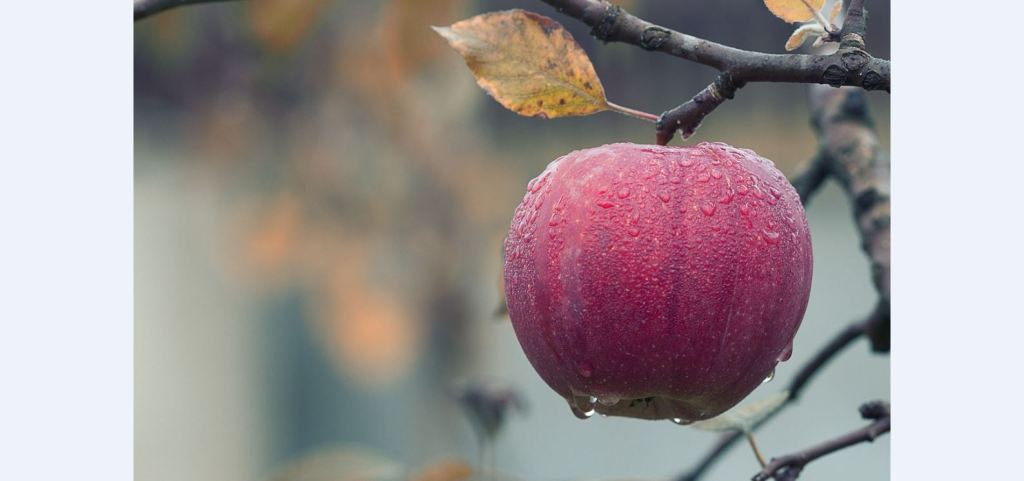
-
On fire myths and the origin of knowledge
EDIT 5/4/2018: a finished essay based on this research was published here. If you’re writing about conflicts between religious and scientific worldviews, there is absolutely no reason why you’d be forced to write about fire. But, c’mon… fire is cool. Eventually you probably would. While researching myths about the origin of fire, I realized that…
 Frank Brown Cloud