facial recognition
-
On birds watching.
We humans have massive brains, but will our kind be more successful than the dinosaurs?
animal cognition, animal communication, animal intelligence, animal research, animals, bird brains, bird cognition, bird intelligence, birds, brain soup, chickens, corvids, crow communication, crow facial recognition, crow intelligence, crows, dinosaur, dinosaur brains, dinosaur cognition, dinosaur intelligence, dinosaurs, evolution of birds, evolution of dinosaurs, extinction, facial recognition, how smart are birds, how smart were dinosaurs, jail, lab animals, laboratory animals, neuron counts, neuron density, oncology, pigeon, pigeon diagnosing biopsy, Suzana Herculano-Houzel, teaching in jail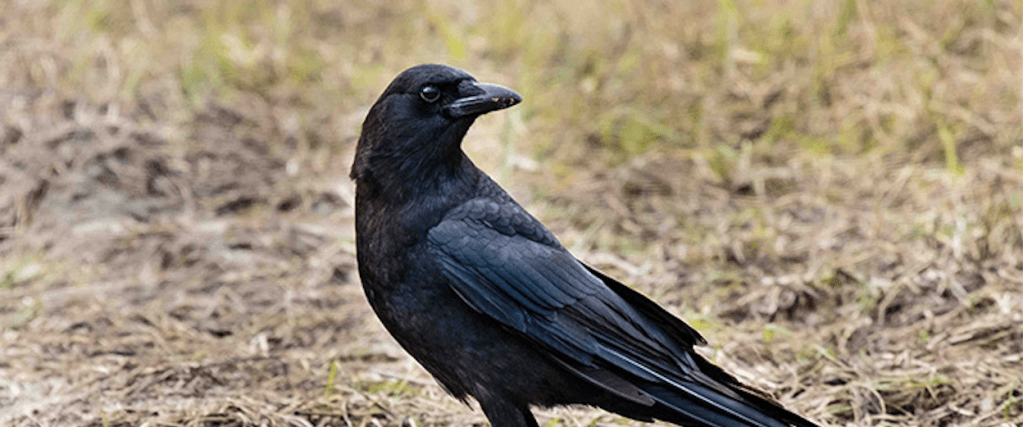
-
On attempts to see the world through other eyes.
Recoloring an image is cool … but is it enough to imagine how other animals view a certain scene?
A Different Form of Color Vision in Mantis Shrimp, animal cognition, animal vision, animal vision tool, attention, brain plasticity, color vision, colorblind glasses, cone cells, crotalomorphism, dichromat, distinguishing between similar colors, eyes, facial recognition, frequency shifting, fusiform gyrus, gene therapy, glasses to let colorblind people see color, human facial recognition, image processing, mantis shrimp, mantis shrimp research, mantis shrimp vision, neurological processing, New York Times, peacock vision, perception, photoreceptors, retrovirus, species, starling vision, summer of science, tetrachromat, Thoen study, trichromat, vision, visual spectrum, what do bees see, what do dogs see, what does the world look like to other animals, what does the world look like to other creatures
 Frank Brown Cloud