evolution
-
Why are some worms such lazy lovers: a reprise
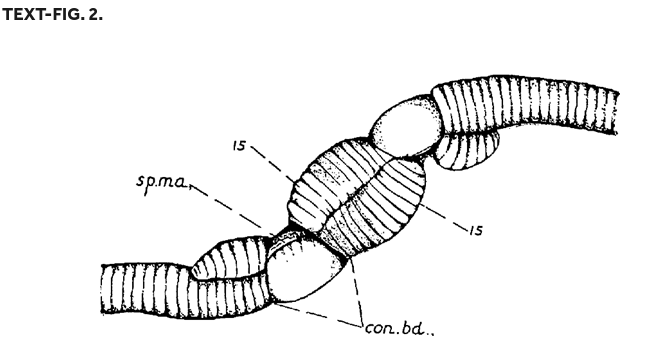
Even earthworms seem to experience feelings strong enough to overcome the natural tendency of living things to avoid wasting energy.
-
Hell is real, and cyanobacteria were condemned to burn, but they might save us still.
Cyanobacteria turned our planet into a place of fire and ice, causing the first mass extinction. Then they too nearly went extinct. Their descendants were imprisoned in the cells of plants. We burn their old prison cells when we drive down the street. And yet, their lineage might save us still.
biology, buffering, carbon sinks, climate, climate change, cyanobacteria, early Earth, early life, early life on earth, energy, evolution, global warming, greenhouse gas, mass extinction, nonlinear response curves, oxygen, oxygen catastrophe, oxygen poisoning, oxygen sinks, photosynthesis, science, sustainability, the evolution of life, the first mass extinction, the invention of fire
-
People who look like you also belong in the place where you live.
The evolution of human skin color was driven by culture, and in modern times, we are able to adopt cultural habits that will allow us to thrive at any latitude, regardless of the color of our skin.
adaptation, agriculture, dietary vitamin D, evolution, evolutionary biology, fitness, fortifying food with vitamin D, Harry Steenbock, human evolution, human migration, hunter gatherers, impact of culture on evolution, migration, natural selection, racism, rickets, selective pressure, skin color, skin coloration, sun drying food, sun exposure, teaching a more accurate model of the evolution of human skin color, The evolution of human skin color, Vitamin D, vitamin D and skin color
-
Sex was invented to queer populations.
The biological function of sex is to create diversity — which helps populations endure, even if this is bad for individuals — so we should expect diversity in the expression of sex.
audio, biological diversity, biological sex, biological sex in the Talmud, biology, biology of gender, biology of sex, categorization, cell division, chromosomes, climate change, cloning, copying DNA, cost of sexual reproduction, costs of sexual reproduction, creation of new species, culture, definition of male, developmental biology, diversity, DNA, DNA replication errors, evolution, gender diversity, gender expression, gender in the Talmud, genderqueer, how DNA works, how evolution works, invention of sex, LUCA, male, maleness, natural history, parthenogenesis, podcast, population dynamics, Queer, queer natural history, queer theory, reproduction, sex and gender, sex determination, sex determining region of the Y chromosome, sex ed in Indiana, sexual develoopment, sexual diversity, sexual expression, sexual reproduction, speciation, SRY, survival of the fittest, Talmud, the invention of sex, types of gender in the Talmud, types of sex in the Talmud, what does it mean to be male, why aren’t we clones, why is there sexual reproduction, Y chromosome
-
Why are some worms such lazy lovers, and why on Earth should we care?
For an experienced partner, worms pull out all the stops. Okay. Gross, maybe, but okay. And yet, knowing this helps lead us to a feminist reappraisal of other animals’ behaviors … including humans.
Alberto Velando, animal behavior, animal behaviors, animal desire, animal studies, biology, care, caretaking, caretaking and sexuality, cooperative equilibrium, coral, earthworm, earthworm erotica, earthworm sex, evolution, evolutionary biology, evolutionary game theory, fish, game theory, game theory in evolutionary biology, Grove & Cowley, male care of babies, male care of offspring, Marah J Hardt, mating habits of worms, nature, parenting, paternal care, red worm, science, semicooperative equilibrium, Sex in the Sea, sex life of earthworms, sex life of worms, sperm competition, stickleback predator inspection, sticklebacks, sticklebacks stealing eggs, Velando Eiroa & Dominguez, Velando et al, weird science, worm, worm mating, worm sex -
On the toothy origins of our inner fire.
With one weird trick, morganucodon kept our kind from being killed by saprophytic fungi.
ancestor worship, ancient fossils, biology, blight, chewing, Chicago, climate change, cooking, decline of reptiles, dinosaur, dinosaurs, Emily Monosson, evolution, fall of dinosaurs, Fire, fire myths, first mammal, fossils, fungal epidemics, fungal infections, fungal pandemics, fungi, global warming, inner fire, mass extinction, mastication, metabolism, morganucodon, nature, proto-mammal, protomammal, rise of mammals, saprophytic fungi, science, Steve Brussate, teeth, The Field Museum, The Rise and Reign of the Mammals, tooth, warm blood, warm bloodedness, wildlife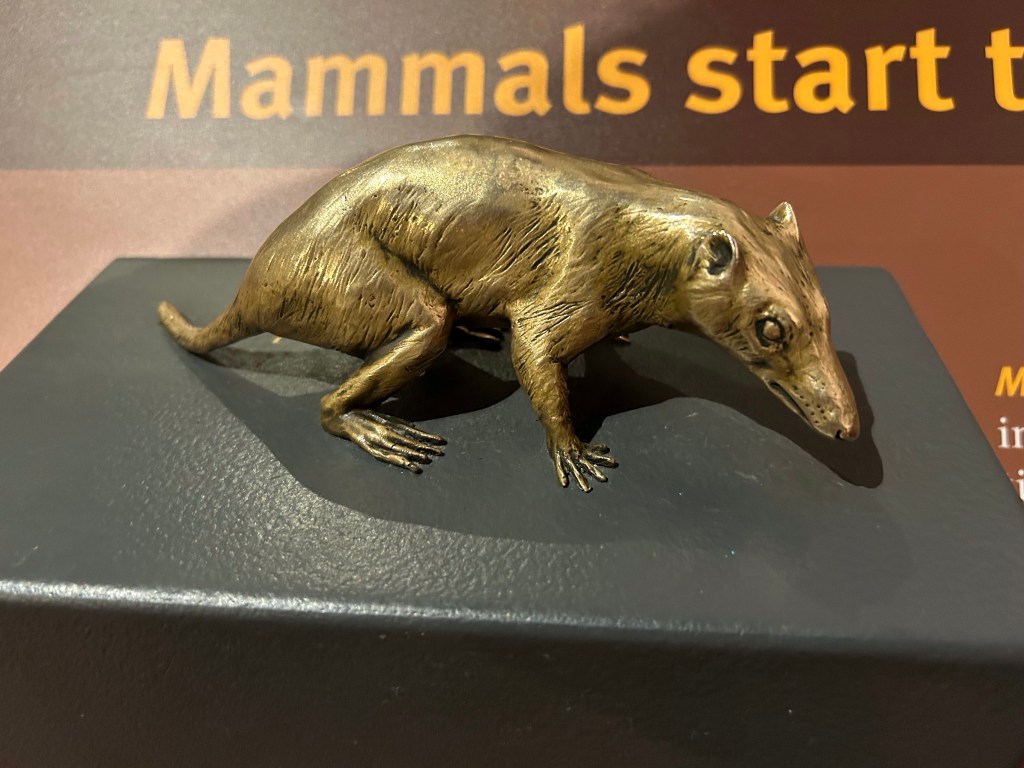
-
On skin color and sexual selection in humans.
Somehow, many male biologists failed to notice that whichever sex does more caretaking typically has more control over mate choice …
aesthetic preferences, agrarian, agrarian cultures, agriculturalists, agriculture, ancient human diets, ancient human evolution, ancient human skin color, animals, birds, bowerbird, caretaking and mate access, caretaking and mate choice, caretaking and sexual choice, childhood mortality, club winged manakin, club-winged manakins, cultural differences, Dawn of Everything, depigmentation, dietary influence on the evolution of skin color, epidermal melanin, evolution, evolution of beauty, evolution of cuteness, evolution of depigmentation, evolution of epidermal melanin, evolution of skin color, evolutionary theory, evolutionary trade-offs, female mate choice, fitness costs, folate, gamete size, human attraction, human caretaking, human culture, human evolution, hunter-gatherer cultures, hunter-gatherers, inequality, male control over reproductive success, male mate choice, mate choice, melanin, nature, peacock mating, peacocks, reproductive success, resource control, resource distribution, science, sexual attraction, sexual dimorphism, sexual dimorphism in human skin color, sexual selection, sexual selection of skin color, skin color dimorphism, skin color hypothesis, skin tone, smooth guardian frog, tamarins, Vitamin D, why are babies cute
-
On scientific misconceptions, Eurocentrism, and the evolution of skin color.
We shouldn’t consider the pressures faced by one group of people to be the default against which all others are measured.
A Brief History of Everyone Who Ever Lived, Adam Rutherford, Against the Grain, anti-racism, Bruce Degen, cow milk, Crawford, dairy, dark skin, David Graeber, David Wengrow, dietary vitamins, Eurocentric, Eurocentrism, Europe, evolution, evolution of human skin color, evolution of lactase persistence, evolution of skin color, famine, farming, folate, Gail McCormick, Genome-Wide Patterns of Selection in 230 Ancient Eurasians, George Chaplin, human evolution, human migration, human skin color, hunter-gatherer, impact of farming on human evolution, influence of diet on human evolution, Jablonski & Chaplin, Jablonski and Chaplin, James Scott, Joanne Cole, lactase persistence, lactose intolerance, lactose tolerance, light skin, Loci Associated with Skin Pigmentation, Mathieson, melanin, migration, natural selection, Nina Jablonski, nutrition, nutrition in human evolution, racism, racism in science, scientific racism, skin color, sun screen, The Dawn of Everything, The Evolution of Skin Color, The Evolution of Skin Coloration, The Magic School Bus, The Magic School Bus Explores Human Evolution, uv light, uv penetration, Vitamin D, when did light skin evolve, why did light skin evolve, why did skin color evolve, why do we have different color skin, why do we have different skin color
-
On the apparent rarity of human-like intelligence.
When we look around, we see such a small sliver of our planet’s total life.
ancient world, animal cognition, animal intelligence, archaeological evidence, archaeology, bird brains, birds, brain, brain construction, cognition, deep time, dinosaur, evolution, evolution of intelligence, evolutionary time, fossil evidence, fossils, human extinction, intelligence, lifespan of the sun, neuron counts, neuron numbers, non-human animal cognition, Oded Galor, rocks, stone age, stone tools, Suzana Herculano-Houzel, t-rex, The Journey of Humanity, The Origins of Wealth and Inequality, time as a twenty-four hour day, Tyrannosaurus rex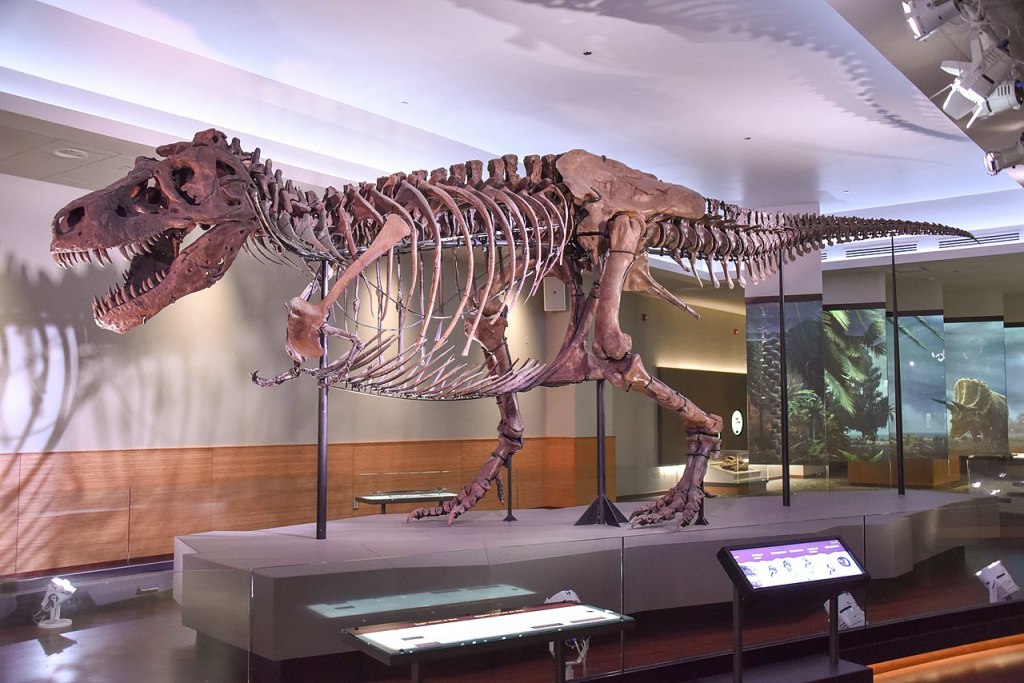
-
On apocalypse clocks.
It’s 10:58 a.m. If we’re still here at 7:26 p.m., we die. Can we escape? Not if we roast ourselves at 10:59.
24 hours, 24-hour geological clock, apocalypse, carbon dioxide, carbon emissions, carbon tax, climate change, climate destabilization, cognitive gaps, desertification, end of life, end of life on Earth, escape from Earth, evolution, evolutionary time, extinction, geological clock, geology, global warming, greenhouse gases, human evolution, human folly, humans arose in last 2 minutes, humans arose in last minute, illustrating data, illustrating time, interstellar migration, life of the sun, life on Earth in a single day, lifespan of the sun, lifetime of the sun, Marcia Bjornerud, mass extinction, representing data, representing time, representing time as a day, Revelation, review of Timefulness, space exploration, thinking like a geologist, Timefulness, Timefulness review
 Frank Brown Cloud