diet
-
On eating plants.
In the mid-1800s, Claude Bernard – the “father of experimental physiology” – began a series of experiments to create carnivorous rabbits. Don’t worry: Bernard wasn’t cultivating predatory beasts like the angry rabbit in Monty Python and the Holy Grail. At first he was simply starving animals until their acidic urine indicated that they’d begun to…
animal experimentation, animal models, animal research, animal testing, animal welfare, bacterial influence on our minds, carnivorous rabbits, Claude Bernard, diet, Evolution of Diet Across the Animal Tree of Life, first multicellular animals, gut microbiome, heterotroph, Introduction to the Study of Experimental Medicine, meat-eating rabbits, microbiome, plant based, rabbits, Roman-Palaclos, Scholl, scientific research, vegan, vegetarian, we are not alone, Wiens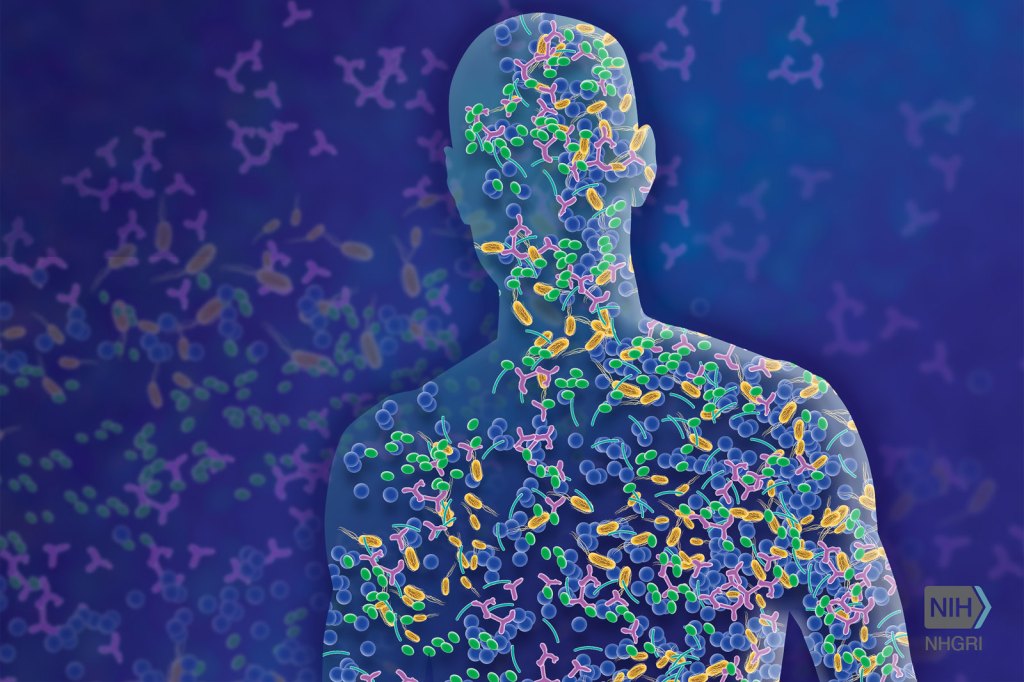
-
On the ethics of eating.
It took violence and oppression to create our world … which we can recognize without perpetuating.
autotroph, carbon cycle, carbon uptake, chaos machines, diet, energy, ethics, ethics of eating, ethics of veganism, evolution, evolution of intelligence, evolution of life, evolution of neurons, food, food web, gene duplication, gratitude, heterotroph, human diet, legacy of oppression, legacy of violence, life, moral philosophy, oppression, origin of intelligence, origin of neurons, philosophy, plant competition, plants, prehistory of intelligence, prehistory of violence, the cost for us to be here, thermodynamics of life, trees, utilitarian, utilitarianism, vegan, veganism, vegetarian, why we can think
-
On medical spending.
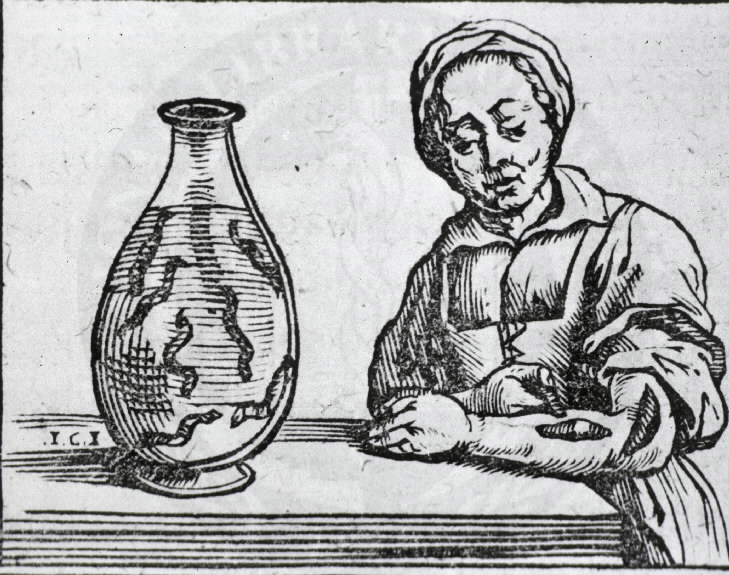
We spend huge amounts on medical care in the U.S., but cheaper interventions would improve people’s lives more.
 Frank Brown Cloud