depression
-
On post-apocalyptic historical fiction (and Neanderthals).
Neanderthals were human, and now they are gone. How did the last survivor feel?
apocalypse, cannibalism, Collapse, cross-species mating, depression, DNA sequencing, extinction, food taboos, homelessness, Homo sapiens, human evolution, human extinction, Moore’s law, Neandertal, Neandertal DNA, Neandertal genes, Neandertal religion, Neanderthal, Neanderthal DNA, Neanderthal genes, Neanderthal religion, Paul Kingsnorth, post-apocalyptic historical fiction, religion, symbolic behavior, The Wake
-
On psychedelic drugs as medicine.
Would a sudden jolt away from our minds’ ruts help treat depression? Or — complacency in general?
acid, acid trip, addict, addiction, autism, ayahuasca, CBT, CIA, clinical trials, cognitive behavioral therapy, David Foster Wallace, depressed, depression, DMT, drugs, ecstasy, entheogen, experiments on children, experiments on orphans, habit, In Search of Lost Time, Infinite Jest, Intoxication, involuntary experimentation, junkie, Lauretta Bender, learning, lost love, LSD, lysergic acid, Marcel Proust, MDMA, mescaline, MK Ultra, molly, mushrooms, neurology, organic synthesis, orphans, peyote, placebo, placebo effect, psilocin, psilocybin, psychedelic, Remembrance of Things Past, Ronald Siegel, Schedule I, shrooms, suicide, virtuous cycle, William Burroughs, you must change your life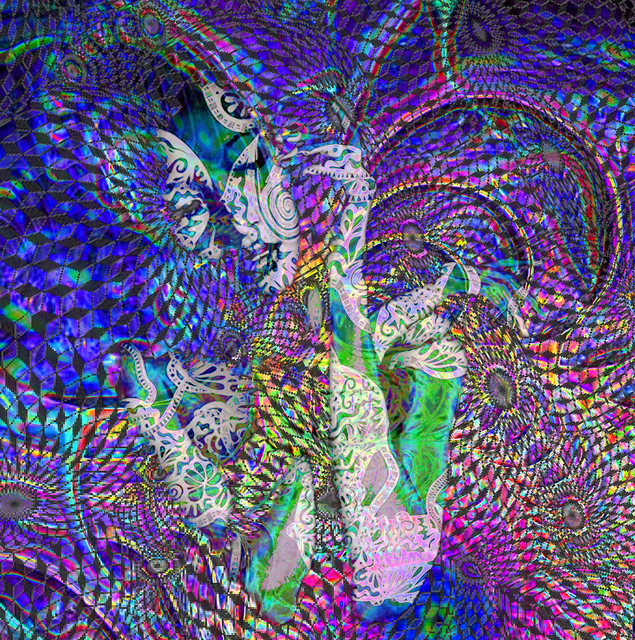
-
On throwing sand.
Even when we can’t change the world, we control how we perceive it. Which gives us the strength to press for change.

-
On self-immolation.
I try to be upfront with people — especially young students I volunteer with — about my own depression.

-
On growing up poor, and hamsters.
I recently read a cute article by Emily Underwood, “How to tell if your hamster is happy.” There is an easy answer, too. The hamsters in question are research animals, so the answer is, “No, they probably are not.” Of all the research animals I’ve interacted with, the only one that seemed happy was the narcoleptic…
-
On Ross Gay’s “The Burden” and forcing mice to swim.
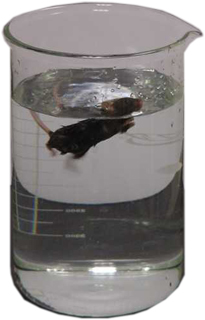
Let’s say you were trying to develop a new antidepressant. Then you’d need a screen to know if your compound or cocktail of compounds was working. Eventually, you’d be doing that screen in humans – give some depressed people your medicine, see if they feel better, see if they feel better than they would’ve felt…
 Frank Brown Cloud