colonialism
-
On emptiness, ruin, and spirits.
We might see empty ruins. Someone else might see a place full of their ancestors’ spirits.
ancestor worship, ancestors, ancient civilizations, ancient cultures, ancient people, archaeology, Cahokia, Calusa, colonialism, high rise, Indigenous civilizations, luxury condos, Miami, oral tradition, prehistoric American civilizations, prehistoric civilizations, prehistoric ruins, prehistory of the Americas, real estate developers, real estate development, Rio Viejo, ruin, ruins, ruins as a home for spirits, spirits, spirituality, storytelling, Tequesta, Ucanal, worship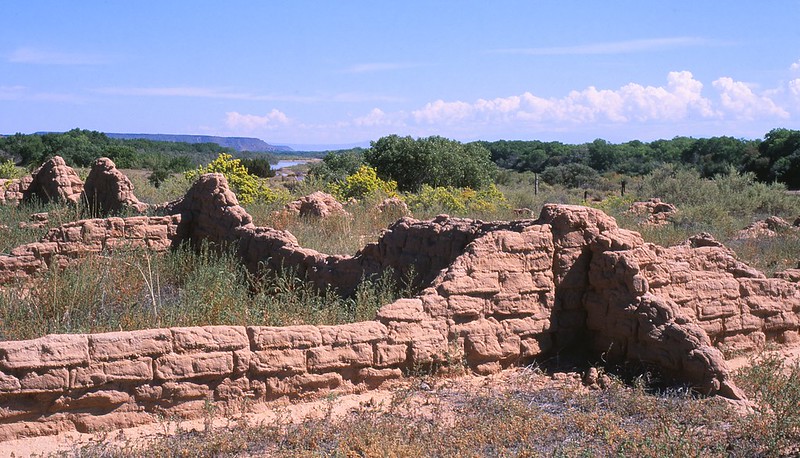
-
On sex work and demand.
We could end sex work by pushing back against demand … but we need to help women feel less demand for money, not criminalize men’s demand for sex.
anti-prostitution feminists, anti-prostitution movement, Ayurvedic massage, border patrol, border policing, brothel-keeping laws, colonial legacy, colonialism, criminal justice, criminalization, criminalized transactions, decriminalized prostitution, demand, dismissive library listing, economics of criminalized transactions, elastic versus inelastic demand, feminism, feminist theory, GBI, global capitalism, global wealth tax, guaranteed basic income, human migration, human rights, human trafficking, immigration, immigration control, immigration enforcement, immigration policy, injustice, judges, Juno Mac, legislating morality, library listing, massage, massage therapists, massage therapy, misogyny, Molly Smith, Nordic model, objectification, objectification of women, policing, policing women, prohibition, prosecutors, prostitution, racism, racist enforcement, racist policing, Revolting Prostitutes, selectively enforced laws, sex, sex work, sex workers, sex workers rights, sexuality, Sweden, trafficking, undocumented immigration, undocumented migrants, War on Drugs, wealth tax, work, workers rights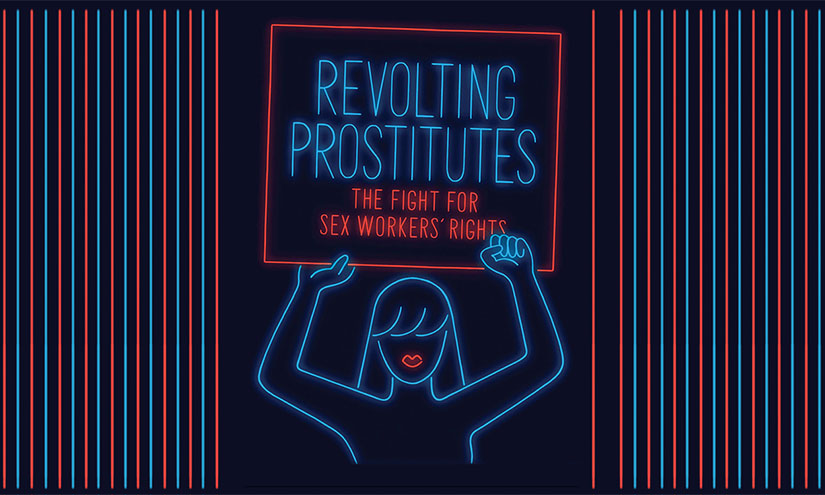
-
On the value of religious misinterpretation.
We’re liable to misinterpret old stories when we look at them with modern eyes … but it’s worth knowing what myths might mean in a better world.
Abraham, anachronism, anachronistic crtique, Ants Among Elephants, Bible, can God save us, caste, caste system, Christ, Christian theology, colonialism, conquest, covenant, creation in Genesis, dalit, David Kishik, DK, Dravidar Kazhagam, forgiveness, forgiving god, Genesis, God, God saw that it was good, God’s insecurity, Goldman, grammar, hebrew, Hinduism, human sacrifice, human sacrifice for good harvest, imperialism, incarceration, incarceration crisis, incarceration in the U.S., incarceration in the United States, jail, Jesus, Jesus’s sacrifice, Job, John-Michael Bloomquist, mass incarceration, merciful god, mercy, Noah, Old Testament, oppression, poetry, poetry in jail, rainbow, Rama, Rama threatening ocean, Ravana, Ravana worship, religion, Rudyard Kipling, sacrifice, sacrifice of Jesus, suffering, Sujatha Gidla, Tamil, teaching in jail, teaching poetry in jail, textual analysis, The Book of Shem, The Flood, The Iliad, The Prodigal’s Return, theology, Translation, untouchable, why did Christ have to die, why did Jesus suffer, why does Rama threaten the ocean, why is God jealous, Yahweh
 Frank Brown Cloud