biochemistry
-
On vaccination.
How do the Covid-19 vaccines work, and why were they made this way?
Alexandra Lahav, ancient history of vaccination, ancient medicine, biochemistry, bioscience, coronavirus, Covid, covid vaccination, covid vaccine, Covid-19, expression systems, fat bubble, fermentation, gene expression, history of vaccination, how do vaccines work, immune system, immunology, medical safety, medical testing, medicine, Medicine Is Made for Men, membrane trafficking, protein expression, protein folding, science, structure and function, vaccination, vaccine, vaccine production, vaccine safety, vaccines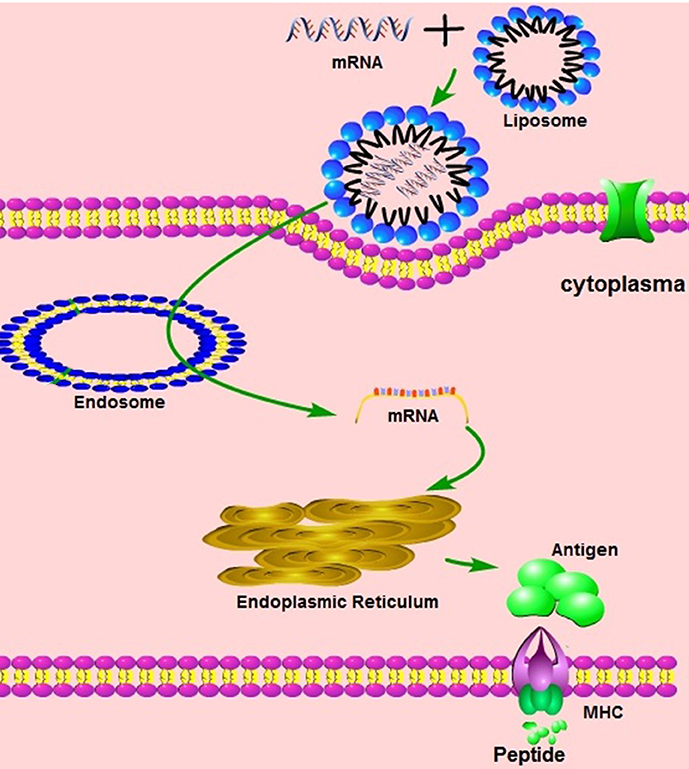
-
On smuggling.
Prison admins must think it’s risky to accept books. But if prisons weren’t horrible, we wouldn’t have to send them.
abolition, abolitionism, biochemistry, biomedical research, book bans, book restrictions, books to prisoners, gang murder, gang violence, mailing plasmids, mass incarceration, Midwest Pages to Prisoners, Pages to Prisoners, poetry, prison abolition, prison abolitionism, prison book ban, prison book bans, prison book programs, prison gangs, prison mail policy, prison violence, research, research practices, scientific research, shipping plasmids, smuggling, smuggling DNA in magazines, Stanford, Stanford biochemistry, Sympathy for the Devil, violence in prison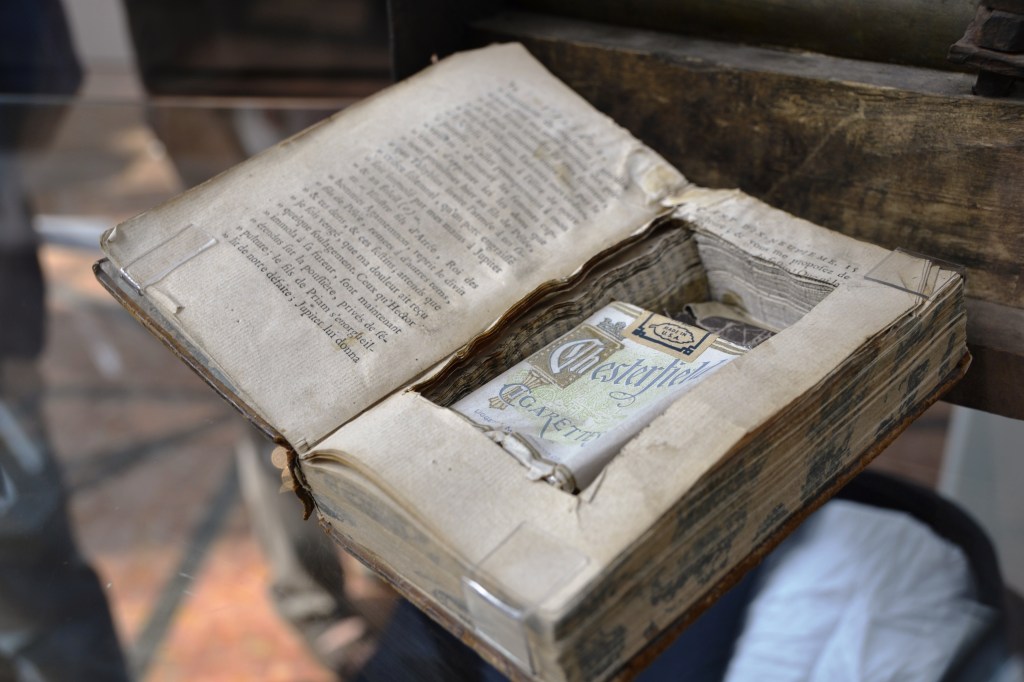
-
On ethics and Luke Dittrich’s “Patient H.M.”
When scientists act unethically, it undermines trust in science … which breaks my heart, since the scientific method is awesome.
A Story of Memory Madness and Family Secrets, Arieh Warshel, biochemistry, brain surgery, cell biology, data, enzymology, epilepsy, ethics, fraud, GCC185, graduate school, human experimentation, immunofluorescence, ketosteroid isomerase, KSI, lobotomy, Luke Dittrich, medial temporal lobe, membrane trafficking, memory, MIT, MPR, Patient H.M., primary data, psychosurgery, publish or perish, reproducibility crisis, research, research ethics, RhoBTB3, science, scientific method, shredding files, Stanford, Suzanne Corkin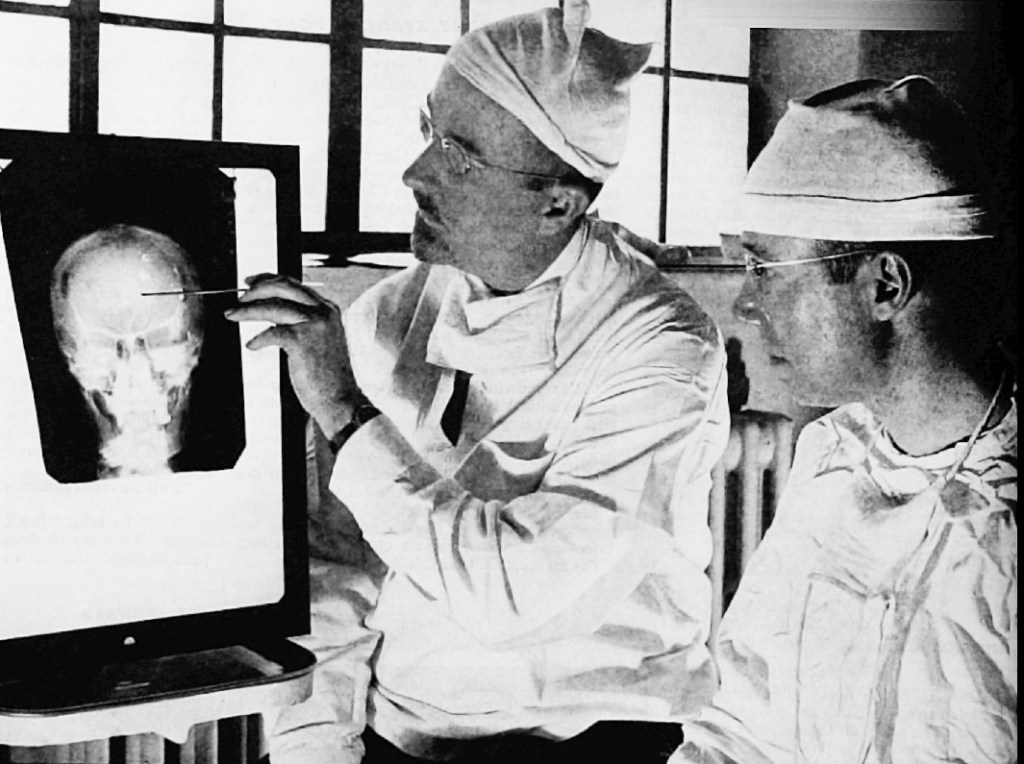
 Frank Brown Cloud