automation
-
On taxing robots.
Automation is making the world worse, but the real problem is financial inequality, not robots.
a tax on wealth, automation, charity, cost of pollution, dishwashers, economic proposal, economic recovery, economic stimulus, Eduardo Porter, Eduardo Porter editorial, employer cartel, end of Great Depression, inequality, intentional inefficiency, low salary, low unemployment, negative externalities, New York Times editorial, parenting, politics, recession, robot tax, robotics, robots, robots taking jobs, shared costs, small town recovery plan, stagnant wages, tax wealth, taxing automation, taxing robots, the economics of automation, the politics of automation, tragedy of the commons, unemployment, wealth begets wealth, wealth tax, welfare, which jobs can be replaced by machines, why aren’t wages rising, work requirements, World War II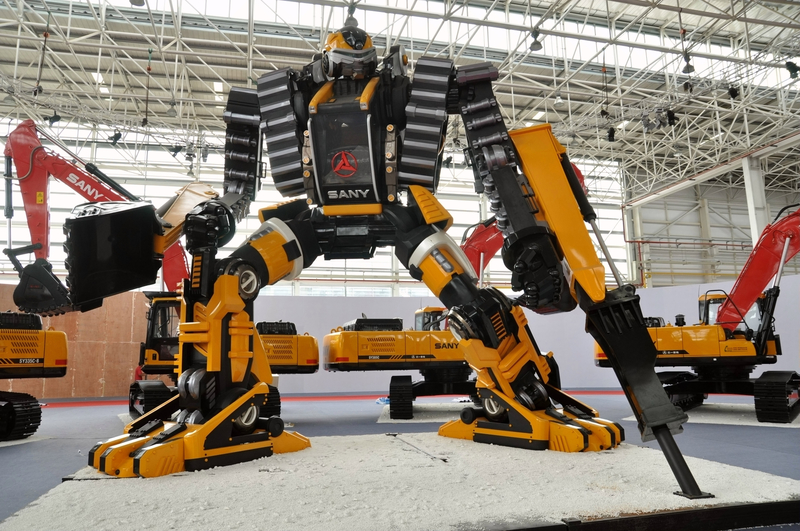
-
On suboptimal optimization.
If you’re hoping that self-driving cars will prevent traffic jams, think again. They might be designed to make traffic worse.
Adam Millard-Ball, AI, artificial intelligence, atomic weapons, automation, capitalism, carbon costs, carbon emissions, carbon emissions from driving, carbon tax, climate change, cost benefit analysis, cost to park, did Heisenberg know linear algebra, driving, economics, finite, finite mathematics, general education requirements, global warming, graffiti that confuses self-driving cars, Heisenberg, Heisenberg and linear algebra, Heisenberg Uncertainty Principle, intentionally causing traffic jams, linear algebra, linear optimization, math, math panic, matrices, matrix, maximizing utility, minimizing costs, negative externalities, nuclear weapons, parking, parking fees, parking in cities, philosophy, pollution, pollution is free, pricing carbon, pricing externalities, public utility, quantum mechanics, robot cars, robot drivers, self-driving car, self-driving cars causing traffic jams, taxing carbon, taxing emissions, taxing pollution, teaching math, traffic, traffic laws, traffic patterns, trolley problem, university degree, university policies, university policy, usage fees, Werner Heisenberg, why didn’t Germany have atomic weapons, why is it free to pollute, why isn’t pollution taxed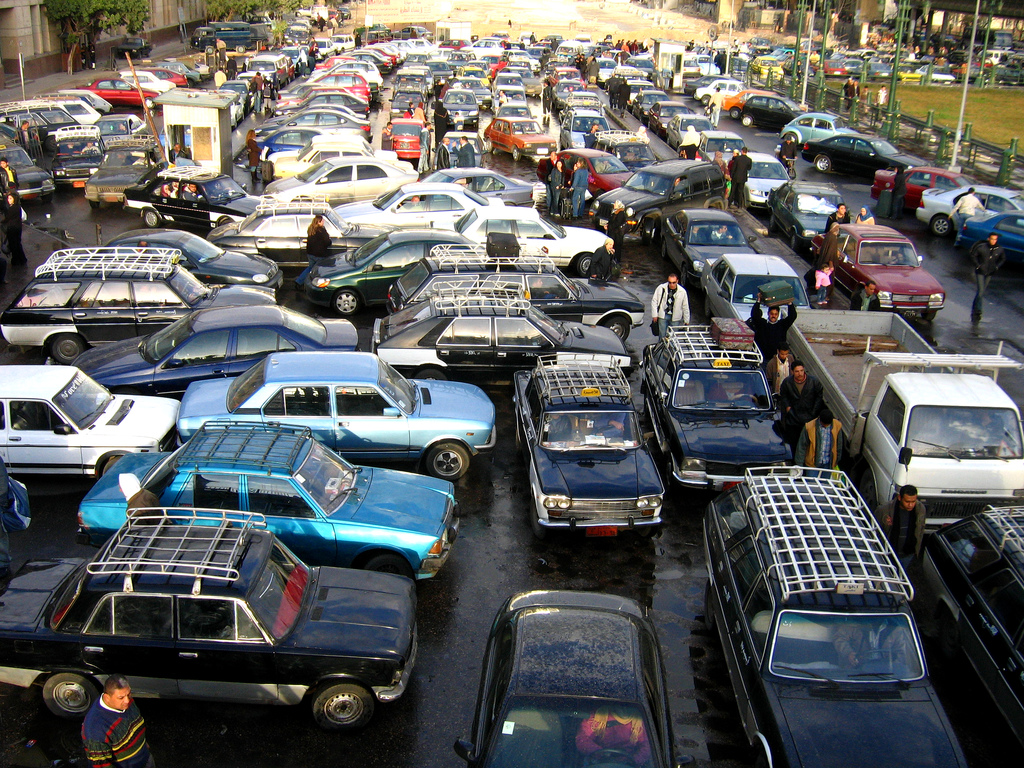
-
On automation, William Gaddis, and addiction.
An inefficient world might be a much better place to live.
Agape Agape, AI, artificial intelligence, automation, Brian Alexander, Capital, capitalism, corporate managers, corporate takeover, death of small towns, delivery drone, drug prices, economics, evolutionary inefficiencies, Glass House, greed, heroin, human evolution, inequality, investors, J R, Jeff Bezos, jobs that robots can do, JR, labor economics, labor vs. capital, machine learning, Mark Binelli, meth, people want jobs, people want to work, piano roll, player piano, robot doctors, robot lawyers, robot writers, robotics, robots, robots designed by robots, The Michigan Experiment, unemployment, wealth, who should the stakeholders of a school be, William Gaddis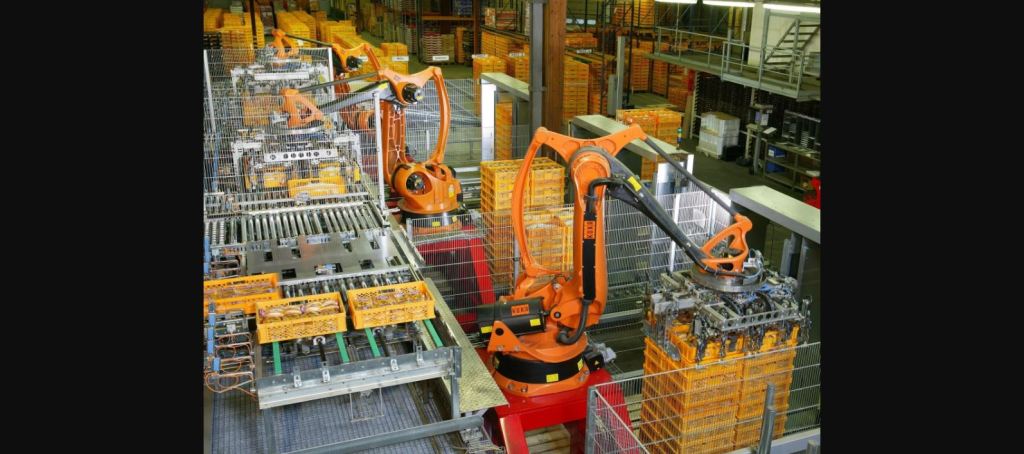
-
On Finn Murphy’s “The Long Haul” and our dying towns
U.S. economic inequality has caused much of the country to crumble … but the devastation won’t *stay* where it started.
A Trucker’s Tales of Life on the Road, addiction, ambulance fees, automation, Bloomington, capitalism, college town, drug addiction, drug use, drugs, Empire State, fentanyl, Finn Murphy, Flying J, free markets, government intervention, guaranteed basic income, heartless in the heartland, heroin, highways, homelessness, hospitalization, Indiana, inequality, Jason Shiga, marijuana, meth, meth labs, methamphetamine, opiates, overdose, poverty, property rights, public works program, Robert Reich, Saving Capitalism, seeing America, shooting up, spice, synthetic marijuana, The Long Haul, traveling by bus, unemployment, unhoused
-
On wasted ingenuity.
Everyone strives, but we force some to waste their efforts reinventing the wheel – or the water heater, or the piano, or…
Albany, Attica, automation, Blood in the Water, capitalism, childhood trauma, criminal justice, Deirdre N McCloskey, Demetrius Cunningham, economics, Growth Not Forced Equality Saves the Poor, Heather Anne Thompson, imprisonment, injustice, jail, Learning to Hear on a Cardboard Piano, Lori Milks, New Yorker, one sheet per day, poverty, prison, prison writing, punishment, punitive justice
-
On Robert Gordon’s ‘The Rise and Fall of American Growth.’
What if technological innovations are a cause of, not a solution to, our post-1970s economic morass?
Amazon, artificial intelligence, automation, CAFO, clean water, concentration of wealth, delivery drones, distribution of wealth, driverless cars, economics, electric appliances, factory farming, feminism, future technologies, GDP, GDP is not an effective measure of quality of life, GDP undercounts the value of caregiving, guaranteed basic income, Impossible Foods, increasing gains to capital, invention, labor versus capital, negative tax, no one’s choices should be curtailed because of gender, parenting, Pat Brown, pessimism, poverty causes stress, productivity, quality of life, reparations, Rise and Fall of American Growth, Robert Gordon, robotics, slow growth, social breakdown, Steven Rattner, technological progress, the value of a stay-at-home parent, wealth tax, William D. Nordhaus, women’s work has been historically undervalued
 Frank Brown Cloud