animals
-
On skin color and sexual selection in humans.
Somehow, many male biologists failed to notice that whichever sex does more caretaking typically has more control over mate choice …
aesthetic preferences, agrarian, agrarian cultures, agriculturalists, agriculture, ancient human diets, ancient human evolution, ancient human skin color, animals, birds, bowerbird, caretaking and mate access, caretaking and mate choice, caretaking and sexual choice, childhood mortality, club winged manakin, club-winged manakins, cultural differences, Dawn of Everything, depigmentation, dietary influence on the evolution of skin color, epidermal melanin, evolution, evolution of beauty, evolution of cuteness, evolution of depigmentation, evolution of epidermal melanin, evolution of skin color, evolutionary theory, evolutionary trade-offs, female mate choice, fitness costs, folate, gamete size, human attraction, human caretaking, human culture, human evolution, hunter-gatherer cultures, hunter-gatherers, inequality, male control over reproductive success, male mate choice, mate choice, melanin, nature, peacock mating, peacocks, reproductive success, resource control, resource distribution, science, sexual attraction, sexual dimorphism, sexual dimorphism in human skin color, sexual selection, sexual selection of skin color, skin color dimorphism, skin color hypothesis, skin tone, smooth guardian frog, tamarins, Vitamin D, why are babies cute
-
On birds watching.
We humans have massive brains, but will our kind be more successful than the dinosaurs?
animal cognition, animal communication, animal intelligence, animal research, animals, bird brains, bird cognition, bird intelligence, birds, brain soup, chickens, corvids, crow communication, crow facial recognition, crow intelligence, crows, dinosaur, dinosaur brains, dinosaur cognition, dinosaur intelligence, dinosaurs, evolution of birds, evolution of dinosaurs, extinction, facial recognition, how smart are birds, how smart were dinosaurs, jail, lab animals, laboratory animals, neuron counts, neuron density, oncology, pigeon, pigeon diagnosing biopsy, Suzana Herculano-Houzel, teaching in jail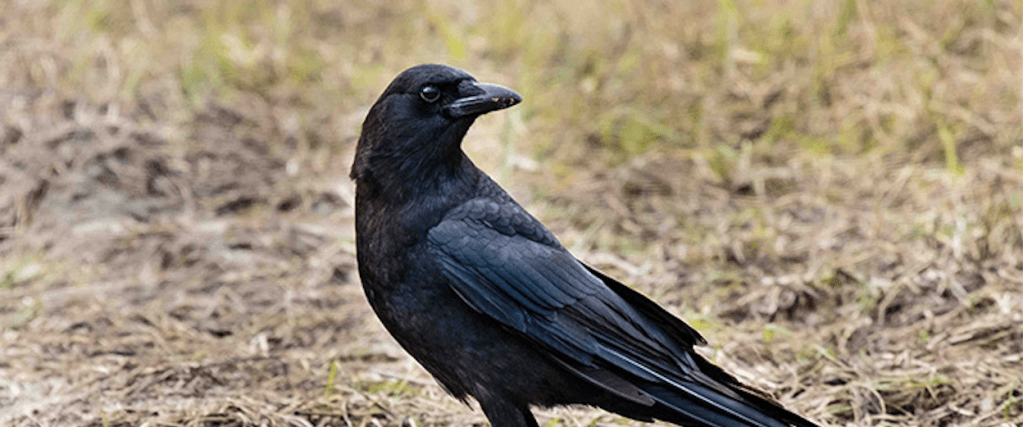
-
On the origins of war.
Recently someone suggested Barbara Ehrenreich’s “Blood Rites” as a companion piece to read alongside Karen Armstrong’s “Fields of Blood” (see a recent post inspired by the latter here). Which seemed reasonable enough; both works attempt to explain war and where it comes from. And although I hadn’t expected to be overly fond of Armstrong’s work…
 Frank Brown Cloud