animal welfare
-
On eating plants.
In the mid-1800s, Claude Bernard – the “father of experimental physiology” – began a series of experiments to create carnivorous rabbits. Don’t worry: Bernard wasn’t cultivating predatory beasts like the angry rabbit in Monty Python and the Holy Grail. At first he was simply starving animals until their acidic urine indicated that they’d begun to…
animal experimentation, animal models, animal research, animal testing, animal welfare, bacterial influence on our minds, carnivorous rabbits, Claude Bernard, diet, Evolution of Diet Across the Animal Tree of Life, first multicellular animals, gut microbiome, heterotroph, Introduction to the Study of Experimental Medicine, meat-eating rabbits, microbiome, plant based, rabbits, Roman-Palaclos, Scholl, scientific research, vegan, vegetarian, we are not alone, Wiens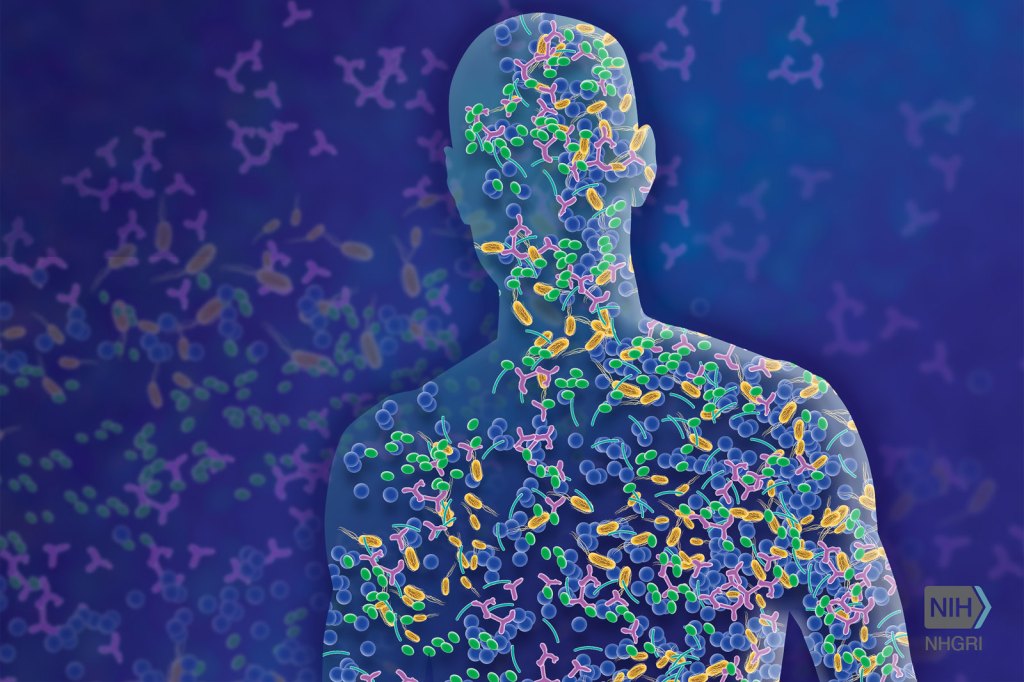
-
On maternal bonds and cruelty.
We’ve all benefited from cruel research — so what do we do now?
animal activism, animal research, animal welfare, autism, baby monkeys, biomedical ethics, childhood, ethics, Harry Harlow, Harvard, John Gluck, Livingstone, macaque, Margaret Livingstone, maternal bond, medical ethics, monkey, monkeys, parenting, parenting advice, primate research, primates, research animals, research ethics, research macaques, research monkeys, rhesus macaque, rhesus monkey, science, scientific ethics, scientific research, separation at birth, trauma, Triggers for Mother Love, vegan, veganism, Voracious Science and Vulnerable Animals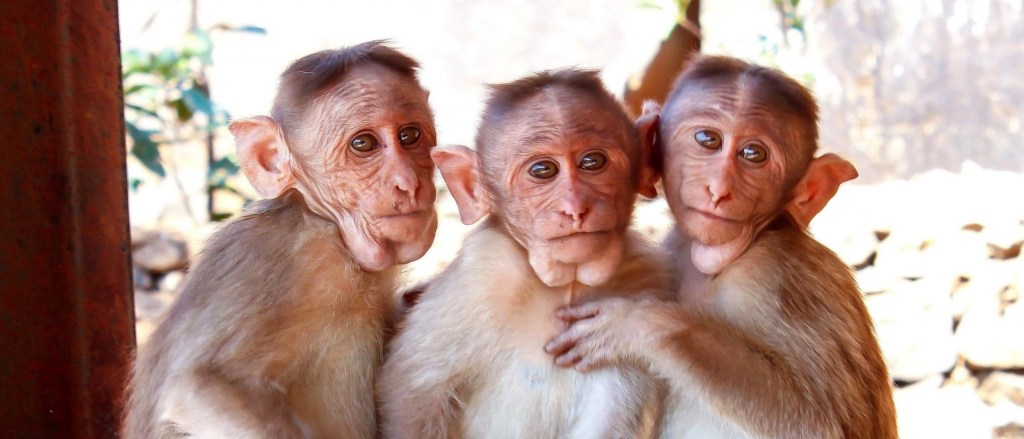
-
On noticing.
Even now, when many of us feel so powerless, we’re in control of our choices. And they matter.
animal cruelty, animal welfare, choice, death, dominance, ethical living, ethics, fences, harm reduction, mortality, nature, nature observation, parenting, plant based, rabbit, rabbit aggression, rabbit violence, raising children, talking to children about death, talking to kids about death, teaching children about death, teaching kids about death, territorial violence, territory, the ethics of eating, vegan, veganism, vegetarian, violence, walls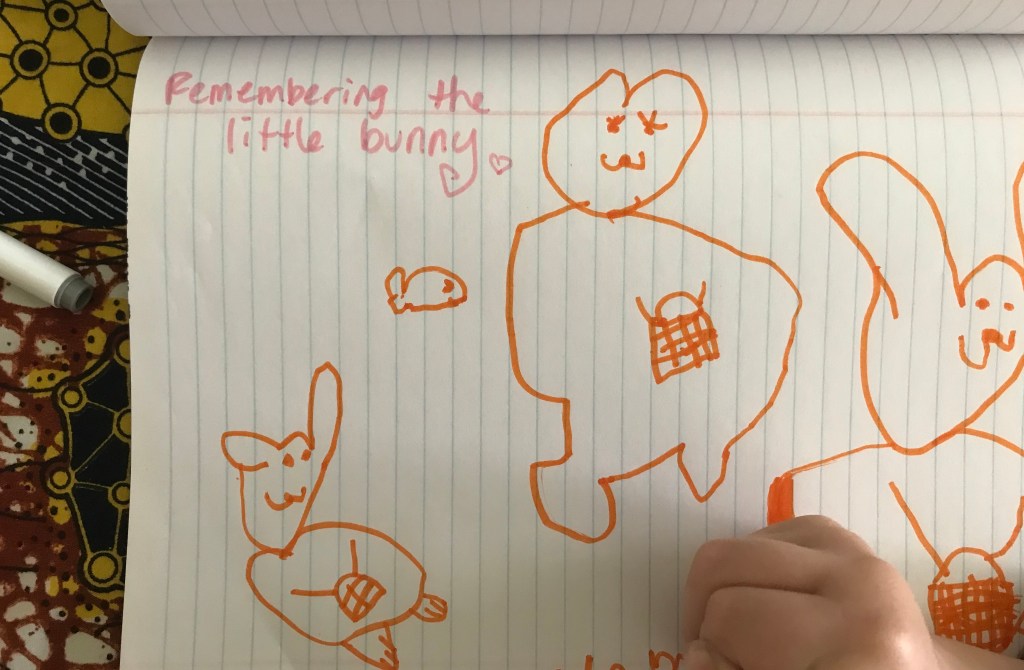
-
On the study of naked mole-rats.
Naked mole-rats: impervious to acid, cancer, asphyxiation, even time itself. But are they impervious to us?
acid, acid resistance, aging, animal research, animal welfare, biological research, biology, caloric restriction, cancer, cancer biology, cancer immunity, carbon dioxide, chemotherapy, climate change, Eliot Weinberger, eusocial, eusocial mammals, eusociality, gas chamber, global warming, hyaluronan, Jennifer Jarvis, laboratory animals, lifespan, lifespan after reproduction, lifespan elongation, naked apes, Naked Mole-Rats, naked molerats, oxygen, oxygen deprivation, pain response, Park et al., Richard Alexander, science, scientific research, starvation, The Biology of the Naked Mole-Rat, Thomas Park, Venus, violence against animals, Weinberger, Xiao Tian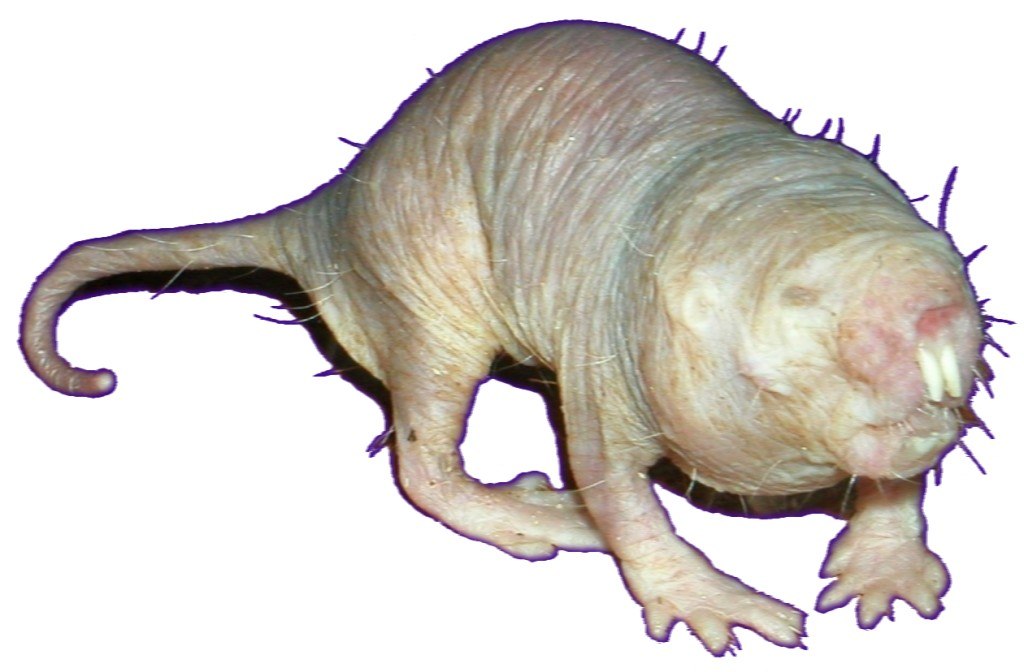
-
On power and species.
In comics, the people who believe their power gives them the right to dominate others are villains. And yet, consider the way we treat the other animals who share our planet …
All-Star Superman, animal PTSD, animal welfare, comics, DC comics, do animals feel trauma, do animals get PTSD, dominion, ethics, Grant Morrison, Harry Harlow, HIV vaccine, HIV vaccine research, how we treat other animals, hurricane, Hurricane Maria, John-Michael Bloomquist, lab animals, laboratory animals, Luke Dittrich, macaque, macaque colony, macaque PTSD, macaques, Miss Able, monkey colony, monkey PTSD, Patient H.M., Pit of Despair, poetry, post traumatic stress disorder, power, primate research, psychological harm, psychological research, psychology, psychology research, PTSD, Puerto Rican macaque colony, Rape Rack, research animals, research colony, research ethics, research macaques, research monkeys, scientific ethics, St. Francis Visits the Research Macaques of Modern Science, Superheroes, Superman, Superman versus The Hulk, Supervillains, The Hulk, trauma, vegan, vegan comic books, vegan comics, vegan superhero, vegan superheroes, veganism, vegetarian, vegetarian comic books, vegetarian comics, vegetarian superhero, vegetarian superheroes, Villains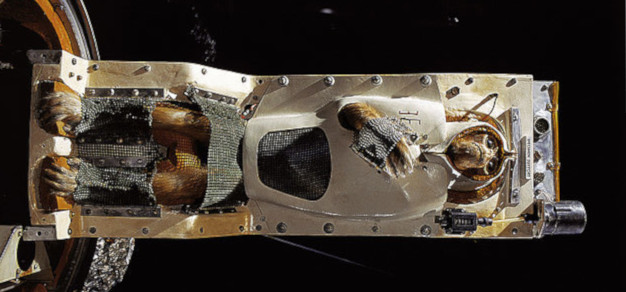
-
On Ann Leckie’s ‘The Raven Tower.’
You should read Ann Leckie’s ‘The Raven Tower,’ a beautiful novel set in a fascinating world.
A Century of Denial in Medicine, animal cognition, animal communication, animal language, animal welfare, Ann Leckie, Aristotle, babies, Babies Don’t Feel Pain, battle of the gods, biology, children, circumcision, compliments, confirmation bias, David Chamberlain, difference between gender and biological sex, do fish feel pain, elective surgery, fantasy novels, fish, fish pain, flawed assumptions, Frans de Waal, gender, genital mutilation, gods battling, human infants, hurting infants, hurting newborns, infant, Irad Kimhi, language, Mama’s Last Hug, mathematics, non-human animal cognition, non-human language, objectification, objectification of non-human animals, observational biology, philosophical argumentation, philosophy, prayer, primacy of language use, progressive fantasy, quantum computing, scientific ignorance, set theory, superposition of states, the emotions of babies, The Raven Tower, Thinking and Being, translating mathematics into words, vaccination, world building
-
On violence and gratitude.
Although I consider myself a benevolent tyrant, some of my cells have turned against me. Mutinous, they were swayed by the propaganda of a virus and started churning out capsids rather than helping me type this essay. Which leaves me sitting at a YMCA snack room table snerking, goo leaking down my throat and out…
animal cruelty, animal life, animal welfare, apoptosis, appreciation, autotroph, biology, biology from a cell’s perspective, cancer, cancer biology, cell biology, cell death, cellular biology, cold, competition, consciousness, cooperation, cost, defection, DNA, do plants have feelings, doom, eat more plants, ethics, farming, gamete, genetics, germ cell, herbivore, heterotroph, immunology, inevitable death, irrationality, metastasis, microbiology, molecular biology, multicellular organisms, other perspectives, photosynthesis, plant-based diet, plant-based lifestyle, programmed cell death, psych experiment, psychology, Richard Dawkins, sacrifice, self sacrifice, selfish gene, sick, somatic cell, Suzana Huculano-Houzel, terrorism, The Human Advantage, the inevitability of death, tyrant, value, vegan, veganism, vegetarian, violence, viral infection, virology, virus, we value what we pay for, wine, wine tasting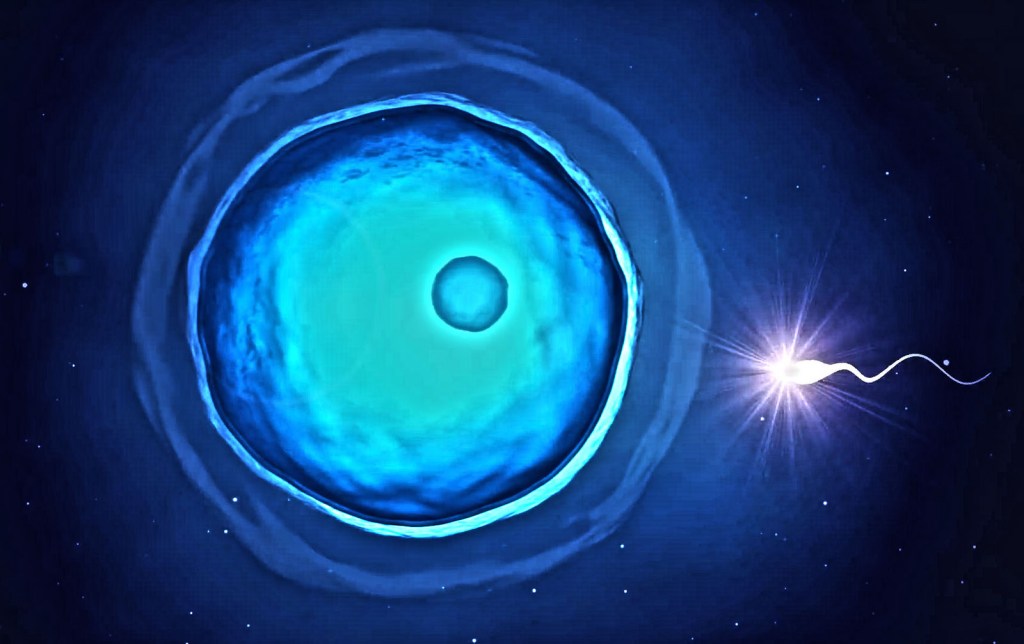
-
On alternate truths.
Sometimes the alternatives are jarring – you look and count a certain number, another person proffers a radically different amount. Surely one of you is mistaken. In the United States, there’s a rift between those who overestimate certain values (size of inauguration crowds, number of crimes committed by immigrants, votes cast by non-citizens, rates of…
45, almond milk, alternate truths, alternative facts, anarchy, animal welfare, capitalism, cashew milk, citizenship, civil liberties, crowd size, dairy industry, extremism, free market capitalism, government, government intervention, Henri Taijfel, overestimaters, political philosophy, politics, property rights, psych experiments, psychology, soy milk, Trump, underestimaters, us vs. them, vegan, veganism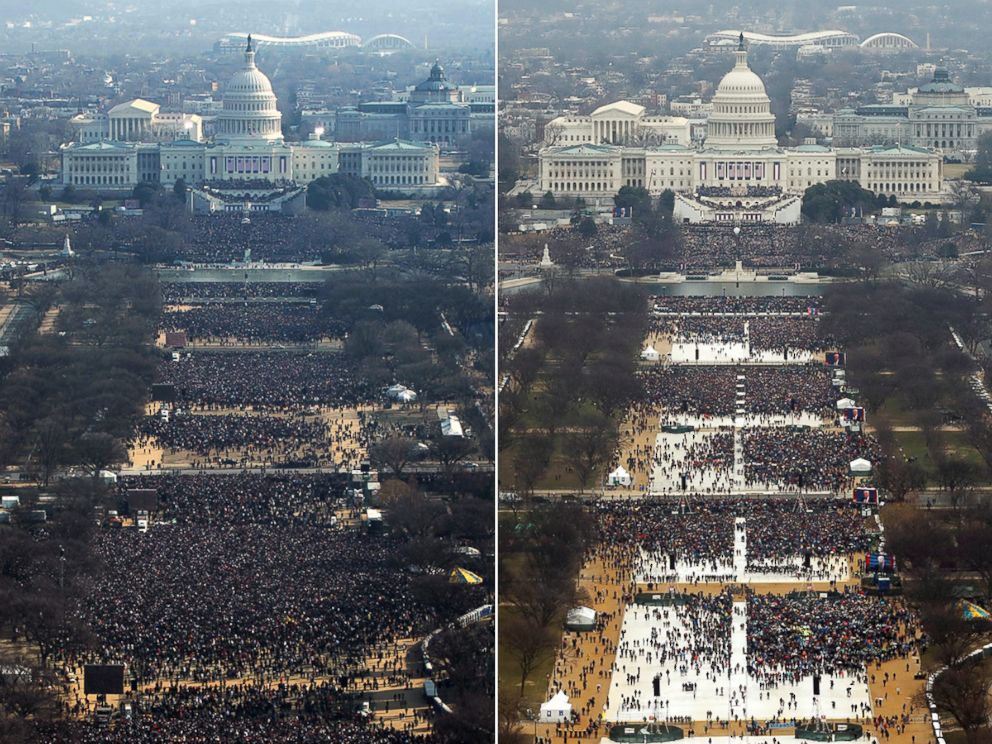
-
On loneliness.
It’s well known that loneliness wrecks brains … so why are we imposing it on the people we expect better behavior from?
addiction, animal welfare, biomedical research, coke, cooperation, crime, crime deterrence, Daniel Weary, David Grimm, dendritic growth, evolution, evolution of cooperation, health risks of incarceration, heroin, imposed loneliness, incarceration, isolation, jail, John-Michael Bloomquist, lab animals, lab mouse, laboratory animals, loneliness, loneliness epidemic, mass incarceration, meth, mice, mouse, neuron growth, parole, parole officer, parole violation, pot, probation, punishing defectors, punishment, rehab, rehabilitation, research animals, science, Surgeon General, The Prodigal’s Return, Vivek Murthy, War on Drugs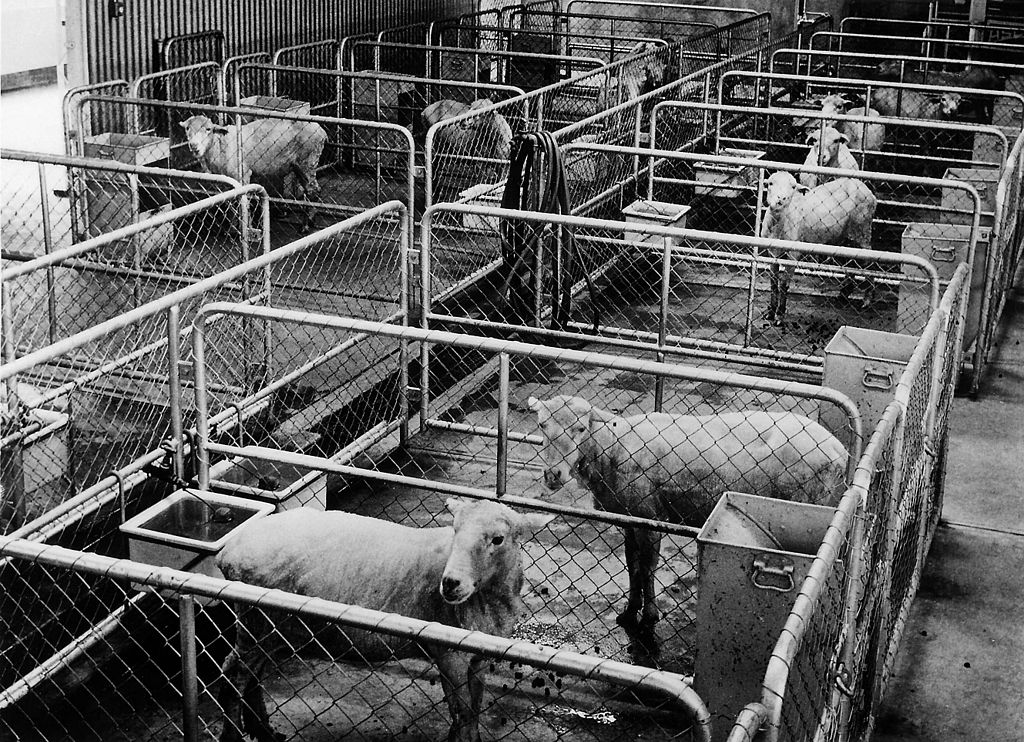
-
On naked mole-rats.
Naked mole-rats shrug off pain, & cancer, & even time itself… but can they withstand the curiosity of Homo sapiens?
age-related diseases, age-related mortality, aging, animal cognition, animal research, animal welfare, anoxia, anoxia resistance, apoxia resistance, breeding, caloric restriction, cancer, cancer immunity, cancer resistance, cancer susceptibility, carbon dioxide poisoning, chemotherapy, Christopher Byrd, civil war, compassion, cooperation, cooperative childcare, Creep, cruelty, David Stipp, death curve, Eliot Weinberger, environmentalism, eusocial, eusocial mammals, eusociality, evolution, evolution of eusociality, food insecurity, fructose, Fructose-driven glycolysis, glucose, good stewardship, high-molecular-mass hyaluronan, hit single, hyaluronan, hypoxia, immortality, jail poetry, Jennifer Jarvis, Karmic Traces, lab mice, Laboratory Animal Welfare Act, laboratory animals, laboratory research, lifespan, lifespan elongation, limited senescence, longevity, mating habits, metabolism, mutation, Naked Mole-Rats, naked molerats, New Yorker, Norman Dubie, observation, opiates, Orange and Peanuts for Sale, Oranges and Peanuts for Sale, oxidation, oxidative stress, oxygen deprivation, pain, painkillers, Park et al., poetry, prison poetry, Radiohead, recycling, research animals, Richard Alexander, Selective Inflammatory Pain Insensitivity, Stalin, starvation, stroke, The Biology of Naked Mole-Rats, The Ghosts of Birds, The Marshall Cloud, Thomas Park, Tian et al., tumor, tumor resistance, tumorogenesis, What Happened Here, Xiao Tian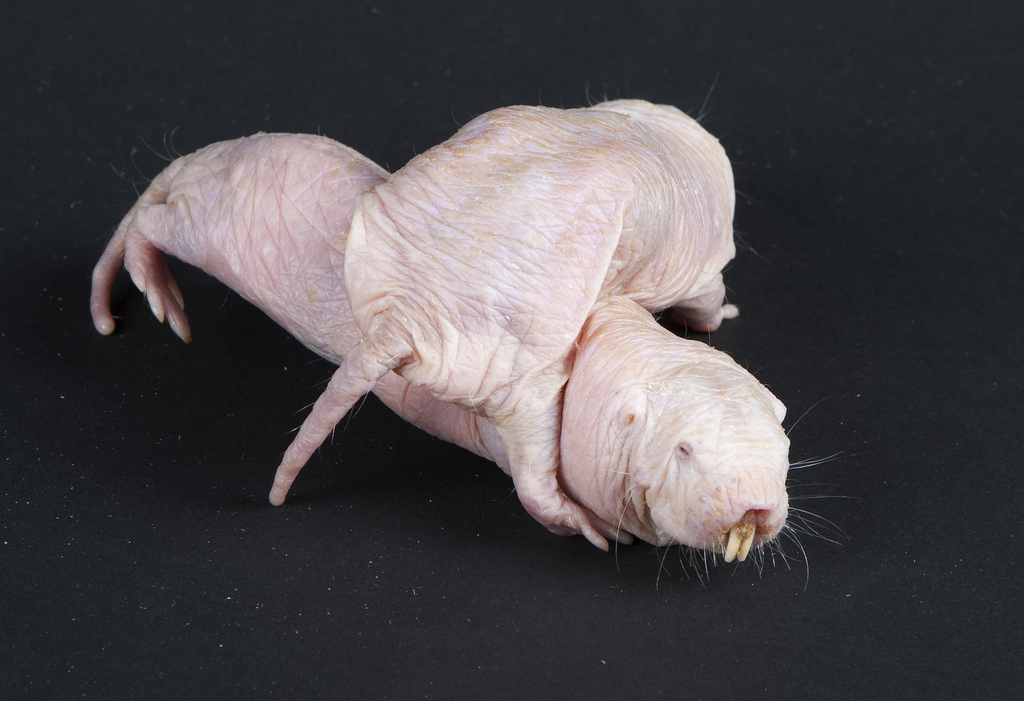
 Frank Brown Cloud