animal research
-
On eating plants.
In the mid-1800s, Claude Bernard – the “father of experimental physiology” – began a series of experiments to create carnivorous rabbits. Don’t worry: Bernard wasn’t cultivating predatory beasts like the angry rabbit in Monty Python and the Holy Grail. At first he was simply starving animals until their acidic urine indicated that they’d begun to…
animal experimentation, animal models, animal research, animal testing, animal welfare, bacterial influence on our minds, carnivorous rabbits, Claude Bernard, diet, Evolution of Diet Across the Animal Tree of Life, first multicellular animals, gut microbiome, heterotroph, Introduction to the Study of Experimental Medicine, meat-eating rabbits, microbiome, plant based, rabbits, Roman-Palaclos, Scholl, scientific research, vegan, vegetarian, we are not alone, Wiens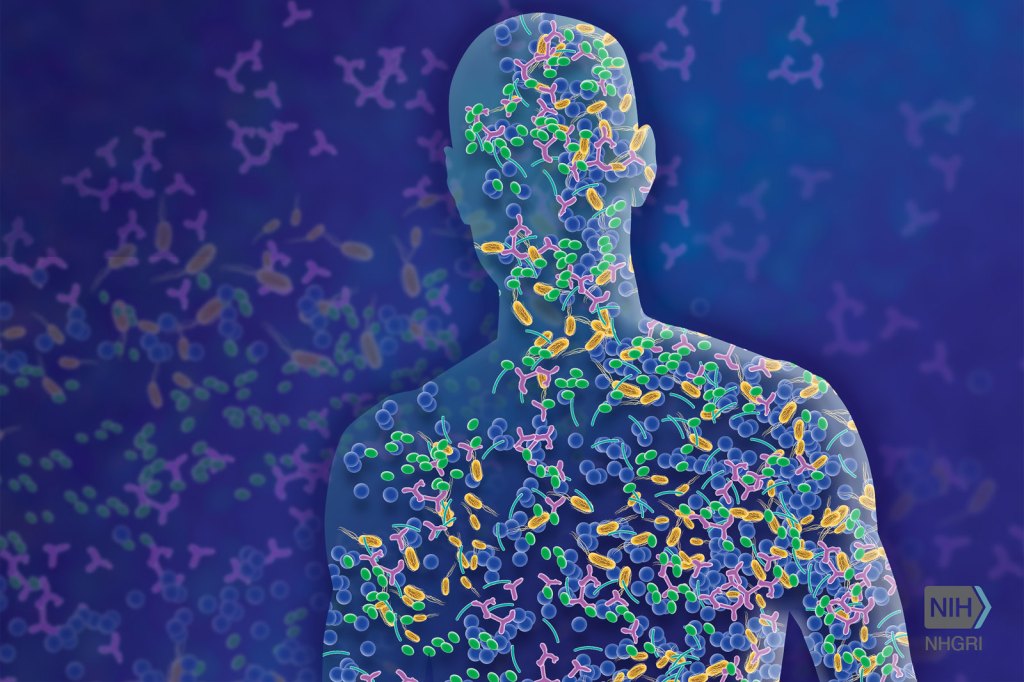
-
On maternal bonds and cruelty.
We’ve all benefited from cruel research — so what do we do now?
animal activism, animal research, animal welfare, autism, baby monkeys, biomedical ethics, childhood, ethics, Harry Harlow, Harvard, John Gluck, Livingstone, macaque, Margaret Livingstone, maternal bond, medical ethics, monkey, monkeys, parenting, parenting advice, primate research, primates, research animals, research ethics, research macaques, research monkeys, rhesus macaque, rhesus monkey, science, scientific ethics, scientific research, separation at birth, trauma, Triggers for Mother Love, vegan, veganism, Voracious Science and Vulnerable Animals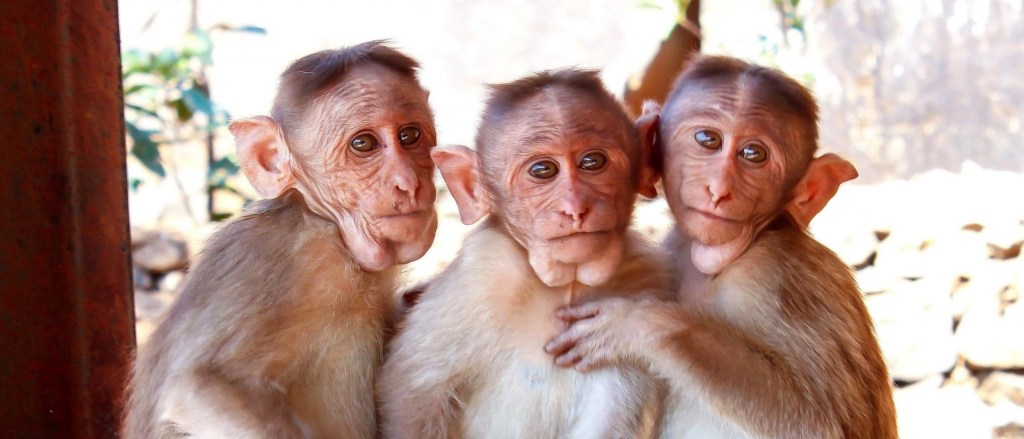
-
On birds watching.
We humans have massive brains, but will our kind be more successful than the dinosaurs?
animal cognition, animal communication, animal intelligence, animal research, animals, bird brains, bird cognition, bird intelligence, birds, brain soup, chickens, corvids, crow communication, crow facial recognition, crow intelligence, crows, dinosaur, dinosaur brains, dinosaur cognition, dinosaur intelligence, dinosaurs, evolution of birds, evolution of dinosaurs, extinction, facial recognition, how smart are birds, how smart were dinosaurs, jail, lab animals, laboratory animals, neuron counts, neuron density, oncology, pigeon, pigeon diagnosing biopsy, Suzana Herculano-Houzel, teaching in jail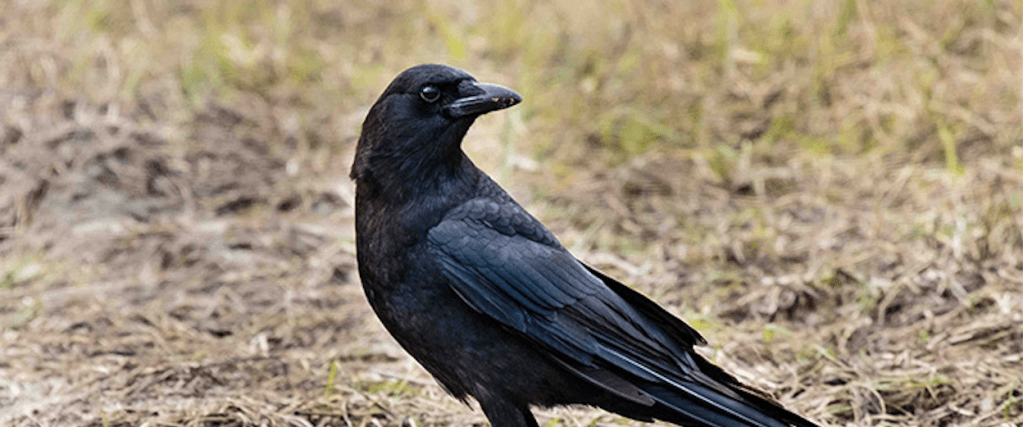
-
On the study of naked mole-rats.
Naked mole-rats: impervious to acid, cancer, asphyxiation, even time itself. But are they impervious to us?
acid, acid resistance, aging, animal research, animal welfare, biological research, biology, caloric restriction, cancer, cancer biology, cancer immunity, carbon dioxide, chemotherapy, climate change, Eliot Weinberger, eusocial, eusocial mammals, eusociality, gas chamber, global warming, hyaluronan, Jennifer Jarvis, laboratory animals, lifespan, lifespan after reproduction, lifespan elongation, naked apes, Naked Mole-Rats, naked molerats, oxygen, oxygen deprivation, pain response, Park et al., Richard Alexander, science, scientific research, starvation, The Biology of the Naked Mole-Rat, Thomas Park, Venus, violence against animals, Weinberger, Xiao Tian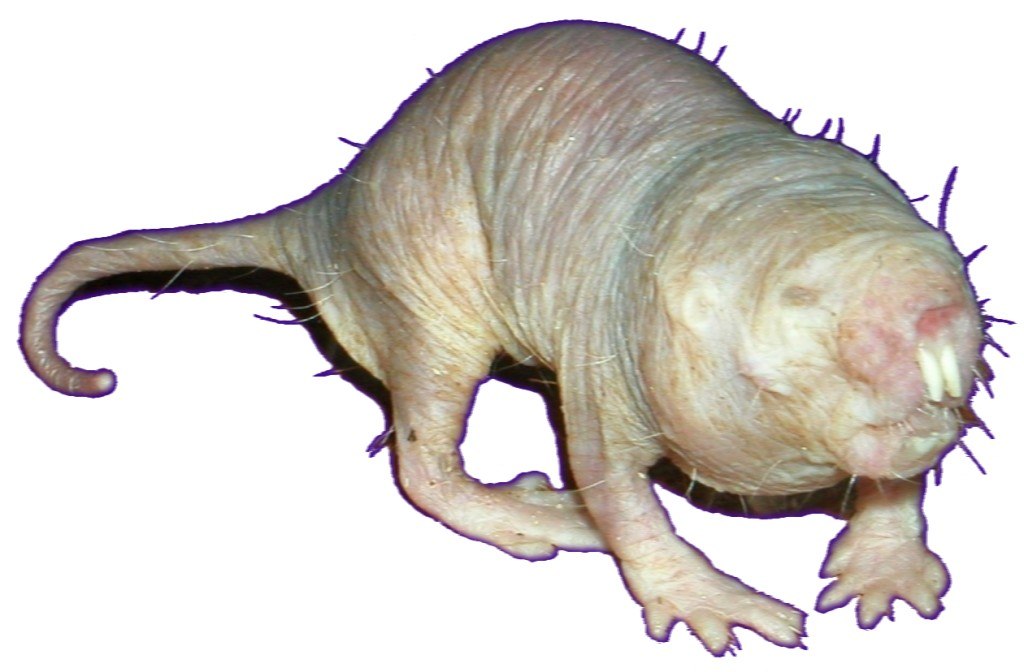
-
On naked mole-rats.
Naked mole-rats shrug off pain, & cancer, & even time itself… but can they withstand the curiosity of Homo sapiens?
age-related diseases, age-related mortality, aging, animal cognition, animal research, animal welfare, anoxia, anoxia resistance, apoxia resistance, breeding, caloric restriction, cancer, cancer immunity, cancer resistance, cancer susceptibility, carbon dioxide poisoning, chemotherapy, Christopher Byrd, civil war, compassion, cooperation, cooperative childcare, Creep, cruelty, David Stipp, death curve, Eliot Weinberger, environmentalism, eusocial, eusocial mammals, eusociality, evolution, evolution of eusociality, food insecurity, fructose, Fructose-driven glycolysis, glucose, good stewardship, high-molecular-mass hyaluronan, hit single, hyaluronan, hypoxia, immortality, jail poetry, Jennifer Jarvis, Karmic Traces, lab mice, Laboratory Animal Welfare Act, laboratory animals, laboratory research, lifespan, lifespan elongation, limited senescence, longevity, mating habits, metabolism, mutation, Naked Mole-Rats, naked molerats, New Yorker, Norman Dubie, observation, opiates, Orange and Peanuts for Sale, Oranges and Peanuts for Sale, oxidation, oxidative stress, oxygen deprivation, pain, painkillers, Park et al., poetry, prison poetry, Radiohead, recycling, research animals, Richard Alexander, Selective Inflammatory Pain Insensitivity, Stalin, starvation, stroke, The Biology of Naked Mole-Rats, The Ghosts of Birds, The Marshall Cloud, Thomas Park, Tian et al., tumor, tumor resistance, tumorogenesis, What Happened Here, Xiao Tian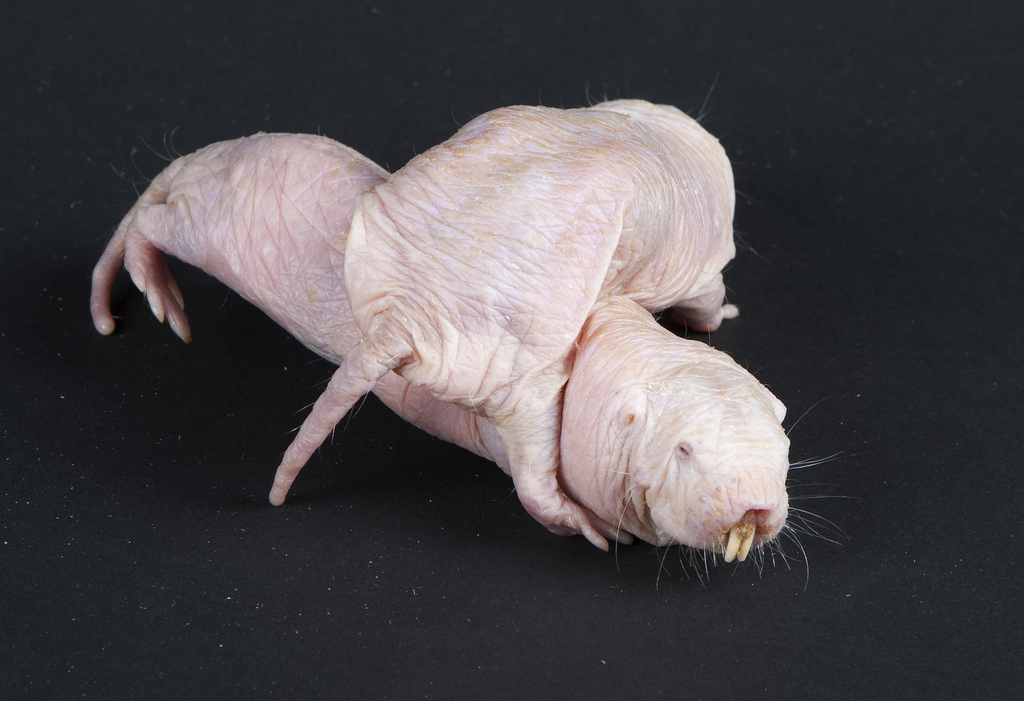
-
On growing up poor, and hamsters.
I recently read a cute article by Emily Underwood, “How to tell if your hamster is happy.” There is an easy answer, too. The hamsters in question are research animals, so the answer is, “No, they probably are not.” Of all the research animals I’ve interacted with, the only one that seemed happy was the narcoleptic…
 Frank Brown Cloud