Mythology
-
Yes, yes, many people are fond of James Joyce and his writing, but this bawdy BDSM erotica does better at engaging with the past.
To be in conversation with the past, ideas have to flow both ways. With “Lost Boi,” a gritty, realist, genderqueer retelling of Peter Pan, Sassafras Lowrey pulls it off.
Barbara Hamby, BDSM, capon, consent, English, erotica, etymology, Ezra Pound, fantasy, genderqueer, Gillian Anderson, heroin, James Joyce, Joyce, Lost Boi, modern English, modernity, mythology, Peter Pan, poly, polyamory, puns, reviews, Sassafras Lowrey, scortatory, Shakespeare, Stephen Dedalus, T. S. Eliott, theatre, Ulysses, Want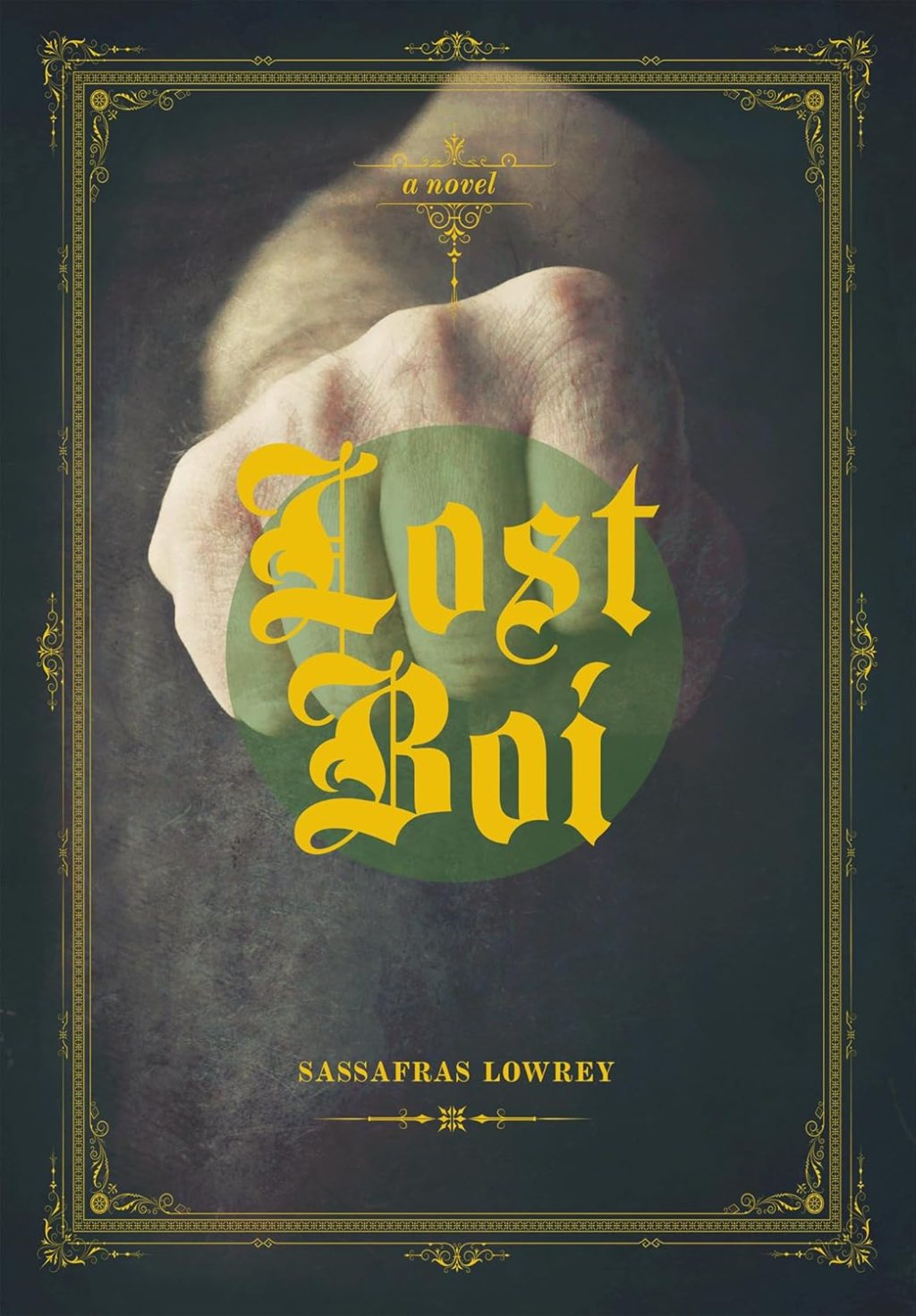
-
By learning to fight, we can make a more peaceful world.
By building confidence, we become better able to choose nonviolence, since we’ll be that much more likely to feel safe.
Abdelfattah Kilito, aggression in animals, ahimsa, baboons, Babylonian mythology, Bible, biology, black belt test, black best essay, broadcast song, caretaking, Daddy Wake Up, death gods, Determined, divine aggression, dominance, dominance hierarchy, Dr. Strangelove, elephant seals, game theory, Gilgamesh, God, history, incarceration, jail poetry, John von Neumann, Joshua Rathkamp, Karate, kihap, Kilito, Korean mythology, linguistics, martial arts, mythology, nonviolence, observational biology, Origin Myth of the House God, peace, Popol Vuh, psychology, Ramayana, religion, Robert Sapolsky, Single Father, soft song, sparrow territory, sparrows, Taekwondo, tamarins, teaching in jail, The Epic of Gilgamesh, The Tongue of Adam, Tower of Babel, Travis Combs, Vishnu, Whorf hypothesis, Xibalban, Yahweh, YHWH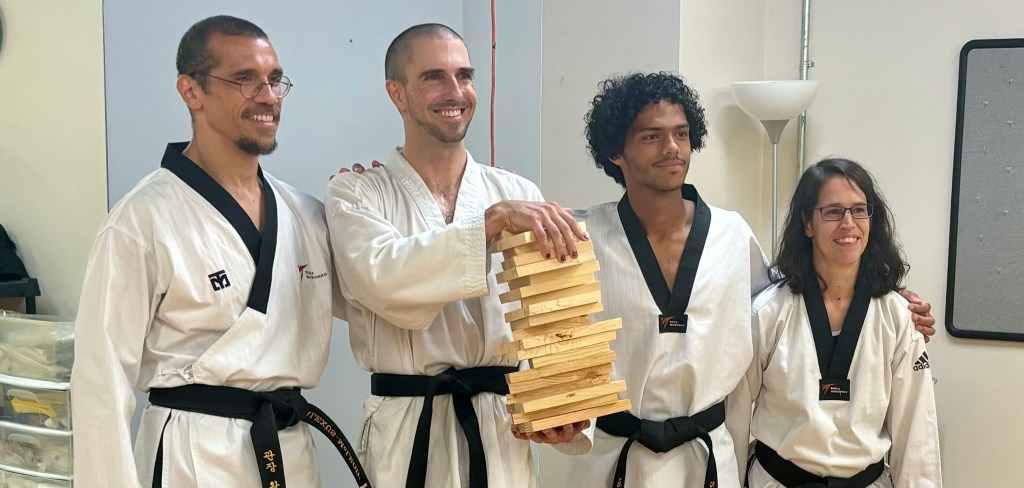
-
When your seven-year-old notices that some heroes are the pits.
Even when a character is clearly intended to be heroic by the author, you won’t always agree.

-
On emptiness, ruin, and spirits.
We might see empty ruins. Someone else might see a place full of their ancestors’ spirits.
ancestor worship, ancestors, ancient civilizations, ancient cultures, ancient people, archaeology, Cahokia, Calusa, colonialism, high rise, Indigenous civilizations, luxury condos, Miami, oral tradition, prehistoric American civilizations, prehistoric civilizations, prehistoric ruins, prehistory of the Americas, real estate developers, real estate development, Rio Viejo, ruin, ruins, ruins as a home for spirits, spirits, spirituality, storytelling, Tequesta, Ucanal, worship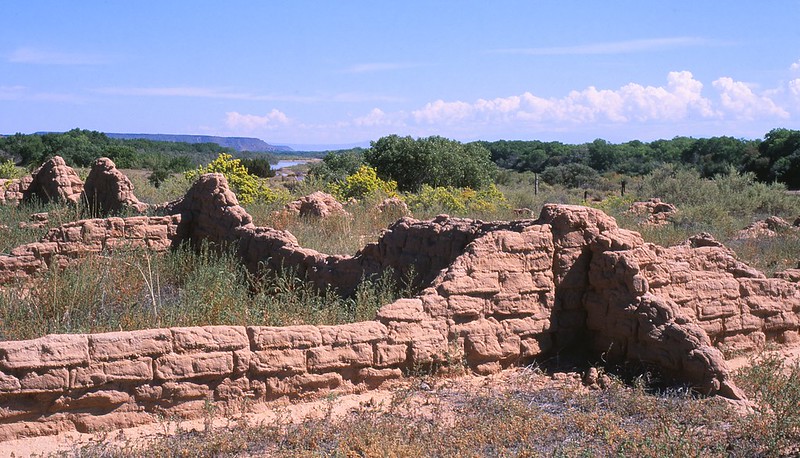
-
On scientific beliefs, Indigenous knowledge, and paternity.
Partible paternity — a child having 3+ genetic contributors — can be real both biologically and culturally.
American Biology Teacher, Bari, biological parent, biology, cell migration, cultural beliefs, culture, David Linden, dizygotic pregnancy, family, father, fatherhood, fertilization, First People, Gabriel Andrade, genetic, genetic contributor, genetic inheritance, genetics, heteropaternal superfecundication, How Indigenous Ways of Knowing Works in Venezuela, human, human evolution, human migration, human reproduction, Indigenous knowledge, Indigenous Ways of Knowing, insemination, Jennifer Raff, Lisa Jean Moore, migration, multiple paternity, Origin, Our Transgenic Future, parenthood, parenting, partible paternity, paternity, peopleing of the Americas, pregnancy, reproduction, review, science, scientific knowledge, scientific understanding, semen, traditional belief, twin, twins, Unique, Venezuela
-
On perspective and heroes.
Medusa is a hero; Medusa is an obstacle — as our perspective shifts, so do the stories.

-
On monsters and mirrors.
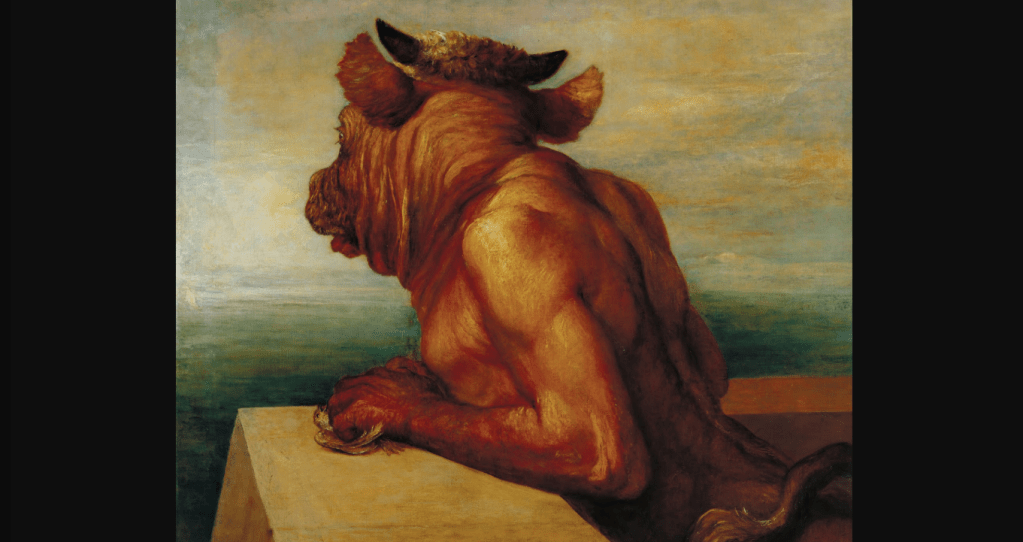
When the wrong people dare to act like our heroes, we call them monsters.
-
On explaining religion to my child, part two.
In which our little ones just barely avoid making a scene in church …

-
On ‘The Ravanayan’ and women traveling alone.
It’s bad enough that our thousands-year-old myths feature women attacked for traveling alone … why are we still letting this happen today?
A. K. Ramanujan, comic books, comic review, comics, did Shoorpanakha deserve to be punished, did Shurpanakha deserve to be punished, fate, fear curtails liberty, female desire in the Ramayana, freedom to travel, gender violence, gendered violence, graphic novel, graphic novel review, graphic novels, Holy Cow, Holy Cow comics, Indian mythology, Mohanty and Goel, monkey battle, mythological violence, mythology, oppression, oppression of women, Rama, Ramanujan, Ramayana comic, Ramayana variants, rape culture, Ravana, Ravanayan review, retellings of the Ramayana, review of the Ravanayan, Sexism, sexual impropriety, Shoorpanakha, Shoorpanakha mutilated, Shurpanakha, Three Hundred Ramayanas, toxic masculinity, Vijayendra Mohanty, violence, violence against women as terrorism, violence against women in the Ramayana, violence against women to instill fear, Vivek Goel, why was Shoorpanakha attacked, why was Shurpanakha attacked, women traveling, women traveling alone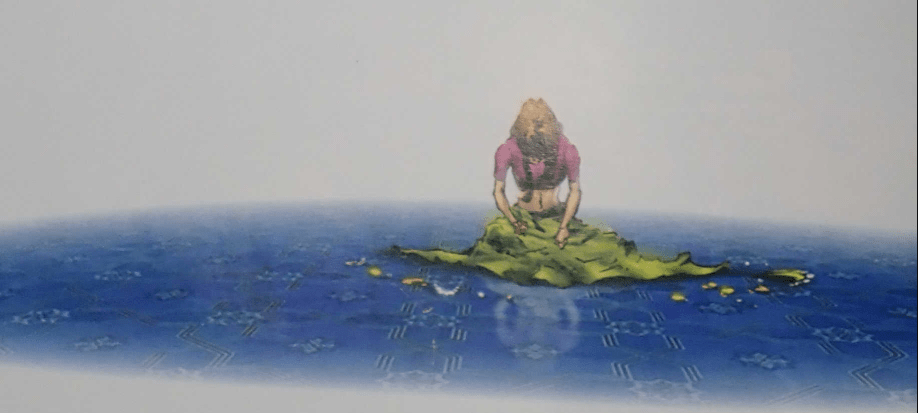
-
On perspective.
If we didn’t believe that the passage of time allows us to make a better world, then why would we try?
Book of Shem, Christianity, climate change, climate destabilization, club-winged manakins, cycles of time, cyclical time, David Kishik, death, direction of time, entropy, ents, evolution, evolutionary pressure, extinction, fall of man, global warming, good stewards of the Earth, hebrew, Hinduism, human evolution, improvement, Judaism, male nipples, manakins, mythology, optimism, originalism, perspective, progress, religion, Sapiens, the myth of progress, time, time’s arrow, tree communication, tree people, treents, trees, why do men have nipples, why does time move forward, Yuval Noah Harari
 Frank Brown Cloud