Economics
-
On Edin & Shaefer’s ‘$2.00 a Day.’
You can’t learn what it takes to survive poverty when you think about people as numbers.
$2.00 a Day, budget, ethnography, Evicted, extreme poverty, food deserts, food insecurity, food stamps, H. Luke Shaefer, Hand to Mouth, high cost of rent in the United States, Kathyrn Edin, Linda Tirado, Living on Almost Nothing in America, Matthew Desmond, Paul Theroux, people want jobs, poverty, PTSD, sexual assault, SNAP, The Hypocrisy of Helping the Poor
-
On wasteful medical spending.
Something feels icky about *participating* in the sort of waste that might doom our country…

-
On bitcoins and privacy.
Bitcoins: either I or other people were suffering from some fundamental misunderstandings.
antibiotic resistance, antibiotics, Bitcoins, black markets, blockchain, Canadian pharmaceuticals, civil liberties, cost of medicine, cost of prescription drugs in the U.S., drugs, economics, freedom of speech, GHB, gun control, healthcare spending in the U.S., how anonymous are bitcoins?, how could the government protect your property rights if they don’t know what you own, how much computer power would it take for someone to steal your bitcoins?, imported pharmaceuticals, John Bohannon, law enforcement, legalized drugs, legalizing drugs, monetary policy, money supply, opiate abuse, ownership, ownership by majority vote, policing, prescription drugs, privacy, property rights, Ross Ulbricht, senseless regulation, Shadow, ShadowCash, speculation, The Silk Road, transaction log, War on Drugs, wealth, what makes a law just
-
On citizenship.
Without citizenship — without, as per Hannah Arendt, “the right to have rights” — people are buffeted by the political whims of whatever nation they might find themselves in. Syrian refugees, for instance, might expect a certain treatment based on their status as humans, but they aren’t officially documented Europeans. Even when they safely reach…
Atossa Araxia Abrahamian, buying citizenship, climate change, cost of U.S. citizenship, deportation, Henry David Thoreau, human rights, illusion of meritocracy, inequality, New York Times book review, political philosophy, privilege, property rights, purchased citizenship, refugee crisis, Richard Bellamy, Robert Reich, Saving Capitalism, Syrian refugees, The Cosmopolites, the social contract, undocumented immigrants, unequal justice for the poor, Walden
-
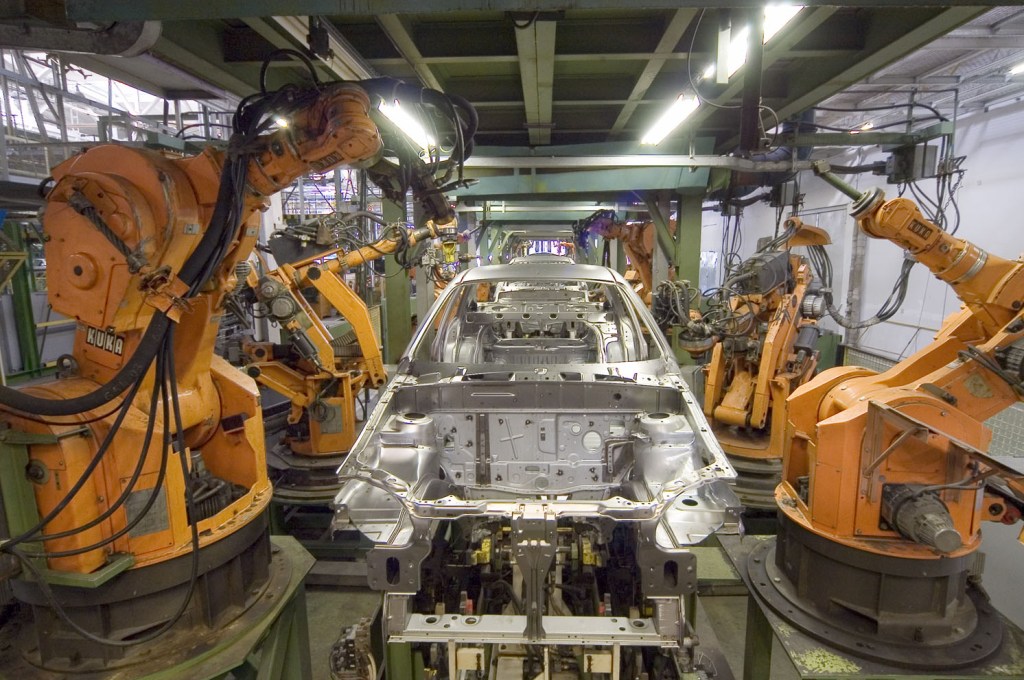
On productivity, and the risk of accidentally making the world worse when we’re trying to make it better.
If efficiency were all we were after, why bother with human consumers? Robots could grow the food, and gobble it all up, too.
-
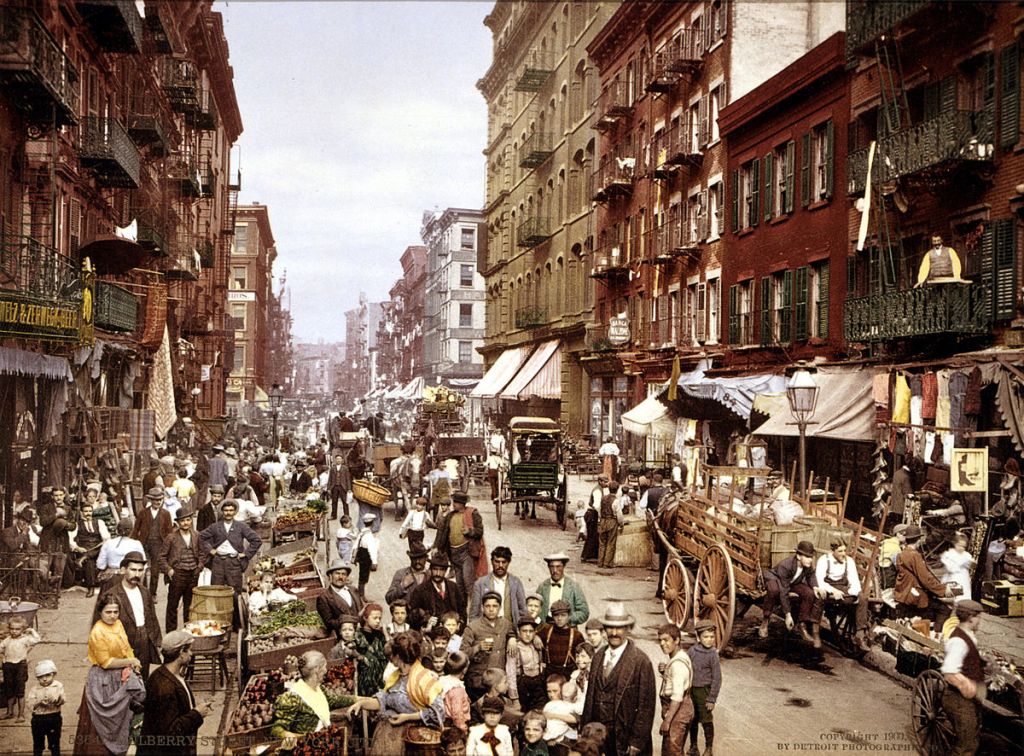
On Akerlof & Shiller’s ‘Phishing for Phools’ and the increasing heterogeneity of the United States.
People aren’t exactly the same everywhere, but we’re all suckers. And huckersters know.
-
On medical spending.
We spend huge amounts on medical care in the U.S., but cheaper interventions would improve people’s lives more.

-
On punishment as criminal deterrent.
Kedia et al. showed that financial crimes flourish when they go unpunished.

-
On non-violence (part 2): empowering kids to act for equality.
Even second-graders can make consumer choices that contribute less toward climate destabilization.

-
On free-market economics & the actual meaning of words.
Despite being rather politically liberal, I consider myself a free market economist. (Maybe it’s unfair to self-describe as an economist, though? I did the coursework for a master’s degree in economics… but couldn’t get a degree because I didn’t complete the residency requirement. I was enrolled as an undergraduate at the time, and apparently would’ve…
basic research, beekeeping, CAFOs, cap and trade versus carbon tax, capital gains tax, carbon tax, Collapse, definition of fortuitous, definition of peruse, do taxes make people work less, Easter Island, economics, education spending, fortuitous, free market, free market distortions, free market economist, free-market fundamentalist, government subsidies, health spending, infrastructure, infrastructure spending, James Surowiecki, Jared Diamond, Joseph Stiglitz, market solutions, market solutions versus government solutions, mis-used words, misused words, New York Review of Books, patent protections, peruse, politicians misusing words, politics, pollution, positive externalities, pro-life, progressive taxation, right-wing economist, Stiglitz, subsidies, tax on high earners, taxation, taxing negative externalities, Thomas Friedman, tragedy of the commons, why does Easter Island have no trees, Why I Am Pro-Life, Why the Rich Are So Much Richer
 Frank Brown Cloud