All posts
-
On drugs and drug laws.
Humans have long restricted access to spiritual sacraments. Perhaps its not surprising that psilocybin is illegal, whereas the drugs that harm other people are easy to come by.
access to drugs, addiction, Against Life, alcohol, alcohol consumption, alcohol is the most harmful drug, alcoholism, antibiotic, antibiotic resistance, antibiotics, antibiotics in animal agriculture, archaeology, Ayelet Waldman, ballot initiative, Bay Area, Brett Kavanaugh, cocaine, Daddy Wake Up, Denver, dimethyltryptamine, DMT, drug crisis, drug laws, drug trip, drug use, drug use in the Bay Area, drugs, entheogens, hallucinations, hallucinogen, How to Change Your Mind, human drug use, incarceration, jail, jail poetry, jail time, Josh Rathkamp, Kavanaugh, magic mushrooms, mass incarceration, Michael Pollan, most harmful drugs, mushrooms, narcotics, opiate addiction, opiate epidemic, opiod addiction, opiods, opioid crisis, poetry in jail, prehistory of human drug use, prison poetry, psilocin, psilocybin, psychedelic, psychedelics, psychedelics as medicine, psychedelics drugs, psychedelics for depression, psychedelics in psychiatry, racism, racist drug laws, selective drug enforcement, selective law enforcement, sexual assault, spiritual experiences, spirituality, Supreme Court justices, teaching in jail, teaching poetry in jail, therapeutic drug trip, Travis Combs, U.S. drug policy, vegan, veganism, War on Drugs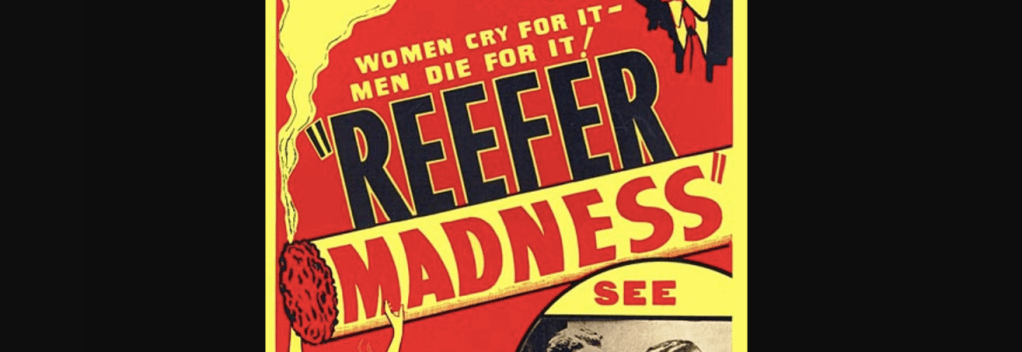
-
On vengeance and Ahmed Saadawi’s ‘Frankenstein in Baghdad.’
We all share blame for the ills perpetrated in our names, but some among us are made to suffer outsize portions of the costs.
Ahmed Saadawi, Albany, Arabic fiction, cocaine, cooperation, Correction, Correction (pt. ii), Correction part 2, corrections, evolution of cooperation, evolution of eusociality, forgiveness, forgiving, Frankenstein, Frankenstein in Baghdad, incarceration, injustice, Iraq, jail, jail poetry, Jonathan Wright, justice, Lori Milks, mass incarceration, most provable murder case I have ever seen, murder, murder victims, neurology, neuroscience, philosophy, poetry, poetry in jail, prison, public defender, punishment, rehabilitation, reprisal, restorative justice, retribution, Saadawi, teaching in jail, teaching poetry in jail, terrorism, the healing power of forgiveness, the neurology of justice, vengeance, victims of terrorism, violence, War on Drugs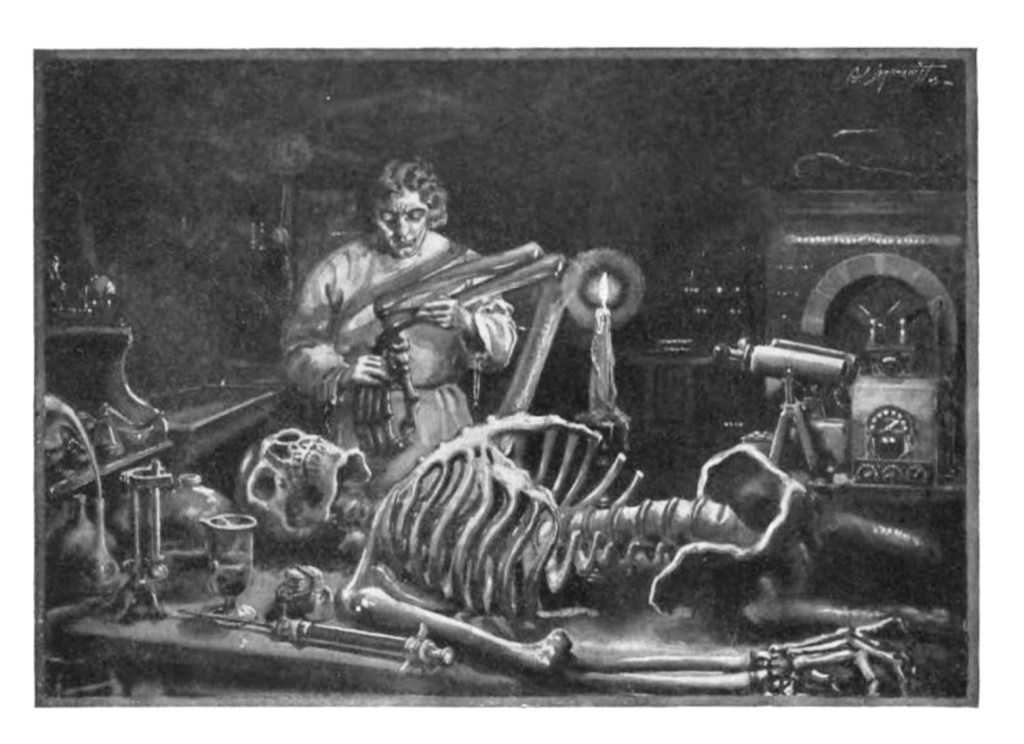
-
On Brett Wagner’s “Apocalypse Blaze.”
Nuclear fallout is a killer. But my friend was felled by the apocalypse that’s already upon us.
addiction, alcohol, Apocalypse Blaze, apocalyptic fiction, Bird Town TN, Bloomington, Brett Wagner, drinking, exposure, futurism, handgrith, hangrith, homelessness, incarceration, jail, jail poetry, meth, methamphetamine, nuclear apocalypse, nuclear fallout, poetry in jail, post-apocalyptic fiction, prison, prison poetry, sobriety, teaching in jail, teaching poetry in jail, unfinished novels, writing in jail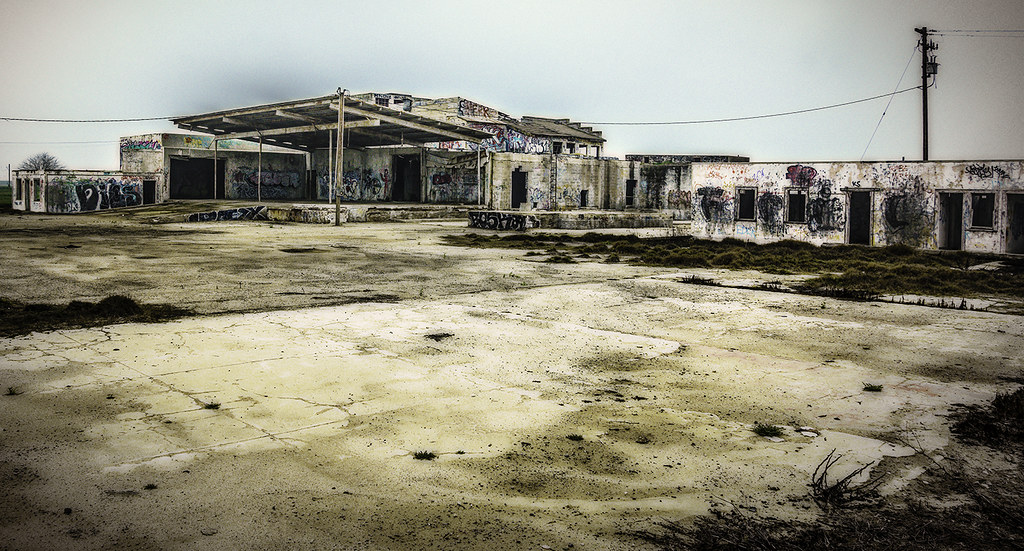
-
On storytelling and social justice.
By telling powerful stories with integrity, we might inspire people to help change the world.
activism, addiction, Bloomington, consciousness as storytelling, Dave Eggers, death in jail, emotions, emotions to compel action, framing your own story, Frans de Waal, free will, incarceration, Indiana, jail, jail poetry, Lindsey Badger, mass incarceration, Max Smith, Michelle Brekke, narrative consciousness, neuroscience of consciousness, neuroscience of free will, New Leaf, New Leaf New Life, overcoming trauma, poetry in jail, prison poetry, rationality, restorative justice, storytelling, storytelling and incarceration, teaching kids to be activists, The Bloomingtonian, The Dimension Mill, the neuroscience of storytelling, The Parade, trauma, writing and incarceration, writing and social justice, writing in prison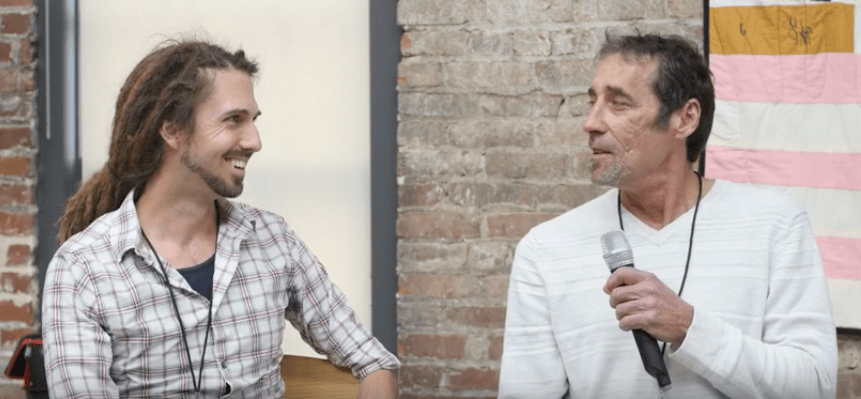
-
On octopus art.
We humans make art for humans, but octopuses might make art for others.
Andy Warhol, animal art, animal cognition, animal theory of mind, art, art criticism, art theory, audience, Baphomet, board games, do animals make art, elephant art, elephant painting, emotional intelligence, empathy, evolution of brains, evolution of cognition, evolution of intelligence, free will, function of art, gossip, how does consciousness work, narrative explanation, non-human animal cognition, non-human animals, octopus art, octopus brains, octopus literature, octopus theory of mind, poetry, purpose of art, Satan, The Optic Wraith, The Sri Lankan Loxodrome, theory of mind, timing of consciousness, what counts as art, what is art, what qualifies as art, why do we make art, why is art beautiful, Will Alexander
-
On empathy.
To write from another’s perspective, an author must empathize deeply with that character. And we need that sort of empathy to help us change the world.
authorial distance, autism, autism spectrum disorder, corrections, empathizing with characters, empathy, In Defense of Cultural Appropriation, incarceration, jail, jail poetry, juvenile delinquents, juvenile detention, Kenan Malik, Lost in Place, Lying Awake, Mark Salzman, mass incarceration, novelists, prison, school to prison pipeline, teaching creative writing, teaching in a corrections center, teaching in jail, teaching poetry, The Curious Indicent of the Dog in the Night Time, The Reason I Jump, True Notebooks, writing practice
-
On happiness and mind control.
We could change our brains enough to feel happy with the world as it is … or we could use our unhappiness as a motivation to fix things.
abusive research, addiction, America, animal emotions, animal empathy, asylums, bad medical advice, bioethics, biomedical ethics, brain modification, brain parasites, brain stimulation, brain’s pleasure center, Carl Elliott, cat shit, chemically modulated happiness, cocaine, consciousness, conversion therapy, DCS, deep brain stimulation, depression, direct current stimulation, dopamine, drug abuse, drug crisis, drug use, eating cat shit, electrical brain stimulation, electrochemical stimulation of desire, empathy in rats, evolutionary rationale for pleasure, fighting depression, Frans de Waal, free will, happiness, homosexuality, human choice, human free will, Inbal Ben-Ami Bartal, induction of empathy, Lone Frank, love potion, Mama’s Last Hug, mind control, nucleus accumbens, opiate use, painkillers, parasites, parasitic mind control, psychiatric patients, psychiatric wards, psychiatry, psychological crisis, psychology studies, psychosurgery, rat empathy, rats free their friends, research ethics, research subjects, review of The Pleasure Shock, Robert Heath, science, scientific ethics, scientific progress, sex in a laboratory, suicide, toxo, toxoplasma, toxoplasmosis, unethical experiments, unethical research, unethical science, United States
-
On Ann Leckie’s ‘The Raven Tower.’
You should read Ann Leckie’s ‘The Raven Tower,’ a beautiful novel set in a fascinating world.
A Century of Denial in Medicine, animal cognition, animal communication, animal language, animal welfare, Ann Leckie, Aristotle, babies, Babies Don’t Feel Pain, battle of the gods, biology, children, circumcision, compliments, confirmation bias, David Chamberlain, difference between gender and biological sex, do fish feel pain, elective surgery, fantasy novels, fish, fish pain, flawed assumptions, Frans de Waal, gender, genital mutilation, gods battling, human infants, hurting infants, hurting newborns, infant, Irad Kimhi, language, Mama’s Last Hug, mathematics, non-human animal cognition, non-human language, objectification, objectification of non-human animals, observational biology, philosophical argumentation, philosophy, prayer, primacy of language use, progressive fantasy, quantum computing, scientific ignorance, set theory, superposition of states, the emotions of babies, The Raven Tower, Thinking and Being, translating mathematics into words, vaccination, world building
-
On consent.
To make a better world, we’ll need to get over our potential embarrassment and make sure that somebody’s “yes” means what we think it does.
affirmative consent, Alarming Rise of Rape Culture, album of the month clubs, ask first, Asking For It, assault, consent, elastic definitions of consent, Eve Rickert, Fatimah Asghar, Franklin Veaux, gender violence, gendered violence, incarceration, jail, jail poetry, justification, Kate Harding, masculinity, morality, More Than Two, no means no, Peggy Orenstein, poetry about gender violence, poetry in jail, positive consent, prearrange consent, rape, rape culture, rationalization, rationalizing rape, reading poetry in jail, sex while sleeping, sexual assault, sexual behavior of college students, sleeping sex, teaching poetry in jail, toxic masculinity, unwanted sex, Veaux and Rickert, violation, violative assault, When Refusing to Twerk Is a Radical Form of Self Love, When Tip Drill Comes on at the Frat Party, why do men rape, why don’t men ask first, yes means yes
-
On taxing robots.
Automation is making the world worse, but the real problem is financial inequality, not robots.
a tax on wealth, automation, charity, cost of pollution, dishwashers, economic proposal, economic recovery, economic stimulus, Eduardo Porter, Eduardo Porter editorial, employer cartel, end of Great Depression, inequality, intentional inefficiency, low salary, low unemployment, negative externalities, New York Times editorial, parenting, politics, recession, robot tax, robotics, robots, robots taking jobs, shared costs, small town recovery plan, stagnant wages, tax wealth, taxing automation, taxing robots, the economics of automation, the politics of automation, tragedy of the commons, unemployment, wealth begets wealth, wealth tax, welfare, which jobs can be replaced by machines, why aren’t wages rising, work requirements, World War II